
In today’s rapidly advancing medical world, angio systems have become a cornerstone of diagnostic imaging. These highly specialized systems are used to visualize blood vessels in detail, aiding in the diagnosis and treatment of various vascular conditions. Whether it’s detecting a blockage or evaluating blood flow, angio systems play a critical role in saving lives and improving patient outcomes.
Let’s explore everything you need to know about angio systems, from their components to applications, types, benefits, and how to choose the right one.
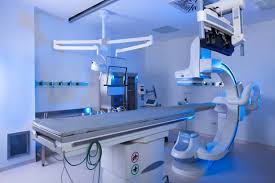
What Are Angio Systems?
To begin with, angio systems—also known as angiography systems—are medical imaging technologies designed to visualize the inside of blood vessels and organs, particularly the arteries, veins, and heart chambers. This is typically done using a contrast agent that is injected into the bloodstream and captured via X-ray, CT, or MRI imaging.
These systems are especially useful in identifying:
- Arterial blockages
- Aneurysms
- Blood clots
- Vascular malformations
- Coronary artery disease
Types of Angio Systems
As technology has evolved, so have the types of angio systems. Below are the most common types used in hospitals and diagnostic centers:
1. Digital Subtraction Angiography (DSA)
Digital Subtraction Angiography (DSA) systems deliver exceptional high-resolution imaging, especially for vascular diagnostics. These systems first capture a pre-contrast (mask) image and then take additional images after injecting contrast dye into the patient’s bloodstream.
DSA stands out because it digitally subtracts the pre-contrast image from the post-contrast images. This process removes static anatomical structures—such as bones and soft tissues—from the final view. As a result, physicians can clearly see the blood vessels and detect even the smallest abnormalities, including microaneurysms, arterial blockages, and vascular malformations.
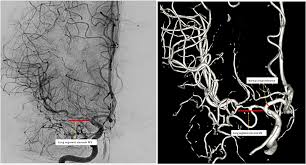
Radiologists and surgeons often rely on DSA systems during interventional and neurovascular procedures. These systems provide real-time guidance, allowing doctors to maneuver catheters and instruments with high precision. Modern DSA units also offer advanced features like rotational angiography, 3D imaging, and radiation dose-reduction technology. These tools improve diagnostic accuracy and enhance patient safety during minimally invasive procedures.
2. CT Angiography (CTA)
Computed Tomography Angiography (CTA) uses a high-speed CT scanner and a contrast agent to create high-resolution, cross-sectional images of blood vessels. Unlike traditional angiography, which requires catheter insertion, CTA offers a completely non-invasive imaging solution. This approach improves patient safety and enhances overall comfort during the procedure.
During the scan, medical professionals inject the contrast dye intravenously. The CT scanner then captures detailed images of the vascular system from multiple angles. Advanced software reconstructs these images into 3D models, which help physicians examine the structure, size, and condition of arteries and veins with remarkable precision.
Physicians commonly use CTA to diagnose conditions such as aneurysms, arterial stenosis, atherosclerosis, and pulmonary embolisms. They also rely on CTA for pre-surgical planning—especially for cardiac and vascular procedures—because the 3D visualization clearly outlines complex vascular networks.
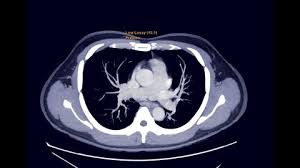
In emergency settings, medical teams turn to CTA for its speed. The scan typically takes only a few minutes, which proves critical in urgent cases like suspected stroke or aortic dissection. Manufacturers of modern CTA systems also integrate dose optimization technologies, allowing clinicians to minimize radiation exposure without compromising image clarity.
In conclusion, CT angio systems deliver a fast, safe, and detailed view of the vascular system. Healthcare providers across the globe depend on these systems for both routine diagnostics and life-saving interventions.
3. MR Angiography (MRA)
Magnetic Resonance Angiography (MRA) uses magnetic resonance imaging (MRI) technology to create detailed images of blood vessels without using ionizing radiation. Unlike traditional angiography methods that rely on X-rays or CT scans, MRA offers a completely radiation-free and non-invasive alternative, making it a safer choice—especially for children, pregnant women, and patients who require multiple follow-up scans.
MRA works by using powerful magnetic fields and radiofrequency pulses to generate high-contrast images of arteries and veins. In many cases, it does not require a contrast agent; however, when necessary, physicians may use gadolinium-based contrast agents, which are generally safer and better tolerated than iodine-based dyes used in CT angiography.
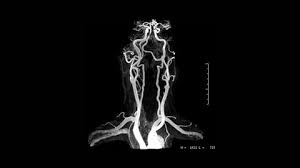
Clinicians frequently use MRA to diagnose and monitor a range of vascular conditions, such as:
- Aneurysms
- Arterial stenosis (narrowing of blood vessels)
- Congenital vascular malformations
- Carotid artery disease
- Cerebral vascular disorders, including stroke and transient ischemic attacks (TIAs)
- Peripheral artery disease (PAD)
MRA is especially valuable in neurological and cardiovascular imaging, as it provides clear visualization of the blood vessels in the brain, neck, heart, and limbs—without the risks associated with radiation exposure. Additionally, advanced MRA systems support 3D image reconstruction, which helps physicians plan complex surgical or interventional procedures with greater accuracy.
In summary, MRA offers a safe, accurate, and non-invasive way to evaluate the vascular system, making it an essential tool in modern diagnostic radiology, especially when minimizing radiation exposure is a priority.
Key Components of Angio System
To understand how angio systems work, it’s important to know their main components. These typically include:
- Imaging Table: Supports patient positioning during procedures
- X-ray Tube and Detector: Captures real-time images of blood vessels
- C-arm: A movable imaging arm that provides different angle views
- Control Console: Operated by technicians to adjust imaging parameters
- Image Processing Software: Enhances and stores diagnostic images for analysis
Applications of Angio Systems in Healthcare
Without a doubt, angio systems have a wide range of clinical applications. They are used across multiple departments such as:
- Cardiology: For coronary angiography and stent placement
- Neurology: For diagnosing brain aneurysms and strokes
- Oncology: To plan tumor embolization procedures
- Interventional Radiology: For guiding minimally invasive surgeries
Moreover, the precision of these systems reduces the need for exploratory surgeries, making them essential in modern medicine.
Benefits of Using Angio Systems
Using angio systems provides numerous advantages, both for healthcare providers and patients:
- High-Resolution Imaging: Enables accurate diagnosis and better treatment planning
- Minimally Invasive: Reduces recovery time and risk of complications
- Real-Time Imaging: Supports live-guided procedures such as catheter placements
- Improved Patient Outcomes: Early and precise diagnosis leads to timely treatment
How to Choose the Right Angio System
When selecting an angio system, healthcare facilities should consider several factors to ensure optimal performance and return on investment:
- Clinical Needs: Consider whether you need cardiac, neuro, or peripheral imaging
- Space and Installation: Ensure the unit fits your operating room or imaging suite
- Budget: High-end systems offer more features but come at a higher cost
- Ease of Use: Look for user-friendly software and automated imaging capabilities
- After-Sales Support: Choose vendors that offer training, maintenance, and upgrades
Top Angio System Brands in the Market
Several reputable manufacturers produce high-quality angio systems. Some of the top brands include:
- GE Healthcare
- Siemens Healthineers
- Philips Healthcare
- Canon Medical Systems
- Shimadzu Corporation
Each brand offers systems with unique features and capabilities. Therefore, comparing specifications based on your clinical requirements is essential.
Future Trends in Angio System
With the integration of artificial intelligence and robotics, angio systems are becoming more intelligent and efficient. The future promises even more advanced features like:
- AI-powered image enhancement
- Automated vessel tracking
- Remote operation for telemedicine
- Lower radiation dose technology
These advancements are set to revolutionize vascular diagnostics and interventional procedures.
Conclusion
In conclusion, angio systems have emerged as indispensable tools in the field of modern medicine. Their ability to deliver high-resolution, real-time imaging of blood vessels significantly enhances the accuracy of diagnosis and the effectiveness of treatment. These systems are not only used to detect vascular abnormalities such as aneurysms, blockages, and clots, but they also play a critical role in guiding life-saving procedures like angioplasty, stent placements, and tumor embolization.
Furthermore, the minimally invasive nature of angio systems means that patients experience faster recovery times, reduced risk of complications, and shorter hospital stays. For this reason, hospitals, diagnostic centers, and specialty clinics are increasingly incorporating angio systems into their imaging departments to ensure more efficient and patient-centric care.
Moreover, if you are a healthcare provider, facility administrator, or medical equipment buyer, gaining a thorough understanding of angio systems—such as their types, technical specifications, and clinical applications—is vital for making well-informed purchasing and operational decisions. With the growing variety of options available on the market, it is important to compare systems based on imaging quality, ease of use, upgrade potential, and support services.
Finally, if you’re considering investing in an angio system, or simply want to explore the latest models and pricing available in Pakistan or globally, we recommend connecting with trusted medical equipment suppliers. You can also visit reputable platforms and online marketplaces that specialize in diagnostic and interventional radiology equipment.
If you want to know about EEG. We have good information about EEG Machine in full detail. You know how work EEG Machine and What is the price of EEG Equipment’s In Pakistan