Tuberculosis (TB) is a potentially life-threatening infectious disease that most commonly targets the lungs. However, it doesn’t stop there. In many cases, TB also spreads to other vital organs, including the brain, kidneys, liver, lymph nodes, and spinal cord, leading to a condition known as extrapulmonary tuberculosis. This makes early detection and treatment extremely important.
The disease spreads primarily through airborne droplets. When a person with active TB coughs, sneezes, speaks, or even laughs, tiny droplets carrying Mycobacterium tuberculosis—the bacteria that cause TB—can enter the air. Others who inhale these droplets risk becoming infected.
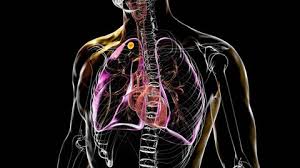
Moreover, not everyone who comes into contact with the TB bacteria will develop symptoms immediately. In fact, the bacteria can remain dormant in the body for months or even years, a condition referred to as latent TB. During this phase, individuals show no signs of illness and cannot transmit the disease. However, if the immune system becomes weakened—due to factors like HIV, malnutrition, diabetes, or aging—the dormant bacteria can reactivate, leading to active TB, which is both symptomatic and contagious.
Therefore, understanding the nature of TB transmission and progression is crucial for prevention and early treatment. By increasing awareness and promoting early screening, we can reduce the global burden of this disease and prevent serious complications.
Types of Tuberculosis
1. Latent TB
In cases of latent tuberculosis, the Mycobacterium tuberculosis bacteria remain present in the body, but they stay in an inactive state. Consequently, individuals with latent TB do not feel sick and do not experience any symptoms. More importantly, they cannot spread the infection to others. However, this does not mean the condition is harmless.
Over time, and especially when the immune system becomes compromised—due to aging, HIV, diabetes, chemotherapy, or other health issues—the dormant bacteria can become active. Once activated, the infection transforms into active TB, which is contagious and symptomatic.
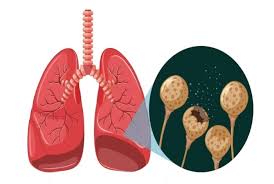
Although latent TB may seem harmless, it still poses a long-term health risk. Therefore, doctors often recommend a preventive treatment plan, which may include a 3- to 9-month course of antibiotics to reduce the risk of developing active tuberculosis later in life. This proactive approach plays a key role in global TB control efforts.
2. Active TB
Unlike the latent form, active tuberculosis develops when the dormant bacteria multiply and trigger a full-blown infection. This form of TB causes obvious and often severe symptoms, including:
- A persistent cough lasting more than three weeks
- Coughing up blood or sputum
- Chest pain during breathing or coughing
- Fever, night sweats, and fatigue
- Unexplained weight loss and loss of appetite
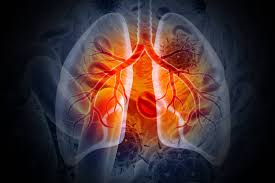
Moreover, active TB is highly contagious. Infected individuals can spread the bacteria through airborne droplets every time they cough, sneeze, speak, or sing. Without timely medical intervention, active TB can progress rapidly and cause permanent damage to the lungs or spread to other organs.
Fortunately, with early diagnosis and consistent antibiotic treatment, most cases of active TB are curable. However, failure to complete the prescribed treatment regimen can lead to drug-resistant TB, which is far more difficult and expensive to treat.
Causes and Risk Factors
Tuberculosis spreads from person to person through tiny droplets released into the air. However, not everyone exposed to the bacteria will develop the disease. Several factors increase the risk of developing TB:
- Weakened immune system (e.g., due to HIV/AIDS, cancer, diabetes)
- Poor nutrition
- Close contact with an infected person
- Living or working in high-risk environments (e.g., prisons, homeless shelters)
- Traveling to or living in TB-prevalent regions
Common Symptoms of Tuberculosis
The symptoms of pulmonary TB (the most common form) include:
- Persistent cough (lasting more than 3 weeks)
- Coughing up blood or sputum
- Chest pain
- Fatigue and weakness
- Weight loss
- Night sweats
- Fever and chills
- Loss of appetite
If TB affects organs outside the lungs, the symptoms vary depending on the location—for example, spinal TB may cause back pain, while TB in the kidneys might cause blood in the urine.
How Doctors Diagnose Tuberculosis
Doctors use a combination of tests to diagnose tuberculosis effectively. These include:
- Tuberculin skin test (TST) or Mantoux test
- Interferon-gamma release assays (IGRAs)
- Chest X-rays or CT scans
- Sputum smear microscopy and culture tests for TB bacteria
Early diagnosis is critical to prevent complications and limit transmission to others.
Tuberculosis Treatment Options
1. Medication
Doctors treat TB with a strict regimen of antibiotics over a period of at least 6 months. Common drugs include:
- Isoniazid
- Rifampin
- Ethambutol
- Pyrazinamide
Patients must complete the entire course to avoid drug resistance. Multi-drug-resistant TB (MDR-TB) and extensively drug-resistant TB (XDR-TB) require longer and more complex treatments.
2. Hospitalization
Although most patients can recover at home, those with severe or drug-resistant TB may need hospitalization, especially during the initial treatment phase.
3. Supportive Care
Alongside antibiotics, supportive measures like nutrition therapy, hydration, and rest play a crucial role in recovery.
Preventing Tuberculosis
Preventing TB involves a combination of medical and public health measures:
- BCG vaccine (given to infants in high-risk countries)
- Regular screening in high-risk populations
- Ensuring proper ventilation in crowded areas
- Wearing masks in TB-prevalent zones
- Completing prescribed medications to avoid resistance
Tuberculosis in Pakistan and Developing Countries
In countries like Pakistan, tuberculosis (TB) continues to pose a serious public health challenge. Factors such as overcrowded living conditions, widespread poverty, and limited public awareness significantly contribute to the spread of the disease. Moreover, many people delay seeking treatment due to stigma or lack of access to healthcare facilities, which further worsens the situation. While the World Health Organization (WHO) actively supports national TB control programs by providing technical and financial assistance, lasting progress requires consistent and coordinated efforts. Therefore, both community-driven initiatives and government-level interventions must work together to promote early diagnosis, ensure treatment adherence, and raise awareness about prevention strategies. By strengthening healthcare systems and educating the public, Pakistan can move closer to eliminating TB as a public health threat.
When to See a Doctor
If you experience a chronic cough lasting more than two weeks, unexplained weight loss, persistent fatigue, or recurring fever, you should consult a healthcare provider without delay. These symptoms could indicate tuberculosis (TB), which requires immediate medical attention. Early detection plays a crucial role in managing the disease effectively. Moreover, starting treatment early not only improves your chances of recovery but also helps prevent the spread of TB to others. In addition, timely intervention reduces the risk of complications and the need for prolonged treatment. Therefore, staying informed about the symptoms and acting promptly can protect both your health and the well-being of those around you.
Conclusion
Tuberculosis (TB) is a preventable and curable disease, but success depends on early diagnosis and timely treatment. When individuals recognize the symptoms—such as a persistent cough, night sweats, fatigue, chest pain, and weight loss—and seek medical attention promptly, they increase their chances of a full recovery. Furthermore, understanding the causes of TB, including its transmission through airborne droplets, helps communities take necessary precautions. By learning about available treatment methods and following prescribed medication regimens consistently, patients can fully recover and stop the disease from spreading. In addition, raising awareness through education and outreach encourages others to get tested, especially those at higher risk. Therefore, by staying informed, taking preventive measures, and supporting public health initiatives, we can work together to eliminate TB from our communities and protect future generations.
“You have a great opportunity to learn about endometriosis with just one click. A detailed and informative article is available for you to read.”