
In the field of dentistry, precision and patient safety are not just priorities—they are the foundation of effective treatment. One indispensable tool that plays a central role in nearly every dental procedure is the Dental Needles. These specialized needles are essential for administering local anesthesia, allowing dentists to perform everything from simple fillings to surgical extractions with minimal discomfort for the patient.
Moreover, it’s important to note that oral injection needles are not one-size-fits-all. On the contrary, they come in a variety of types, lengths, and gauges, each tailored to specific clinical needs. For example, short needles are often used for infiltration anesthesia, while long needles are typically reserved for nerve blocks in posterior regions. Understanding the differences between these options—and knowing when to use each—can significantly improve procedural outcomes.
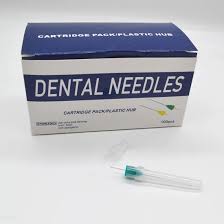
Additionally, factors such as needle gauge, bevel type, and compatibility with syringe systems should always be considered when selecting the right tool. By making informed choices, dental professionals can enhance both the efficacy of anesthesia delivery and the overall patient experience.
What Are Dental Needles?
Dental needles are specialized medical tools used to inject anesthetics into the gum or oral tissues. Designed to provide accurate and controlled delivery, they are typically made from stainless steel and come with different gauges and lengths.
Types of Dental Needles
There are several types of dental needles available, and choosing the right one depends on the procedure and patient needs. The main types include:
- Short Needles: Usually around 20–25mm long. Ideal for infiltration anesthesia in the maxilla.
- Long Needles: About 30–40mm in length. Best suited for nerve block techniques, such as the inferior alveolar nerve block.
- Extra Short or Ultra Short Needles: Often used for pediatric or highly localized applications.
Transition Tip: When moving from one procedure to another, switching needle types based on the depth and injection area is critical for safety and effectiveness.
Common Gauges and Their Uses
Gauge refers to the diameter of the needle. The lower the number, the thicker the needle. Common gauges include:
- 25G – Used for deep nerve blocks
- 27G – The most commonly used for both blocks and infiltration
- 30G – Thinner needle used for shallow infiltration in sensitive areas
Despite popular belief, thinner needles (like 30G) don’t always reduce pain. In fact, the smoothness of insertion and the practitioner’s skill matter more.
Why Quality Matters in Dental Needles
Not all dental needles are created equal. High-quality needles reduce the risk of breakage, ensure smooth penetration, and minimize patient discomfort. They should have:
- Silicone-coated shafts for smoother insertion
- Beveled tips for precision
- Color-coded hubs for easy gauge identification
How to Choose the Right Dental Needle
When selecting dental needles, consider:
- The procedure type – infiltration vs. nerve block
- The patient’s age and sensitivity
- Preferred gauge and length for ease of control
Additionally, always choose needles from reputable brands that meet international safety standards.
Safe Usage and Disposal
Dental needles are single-use items. After use, they must be disposed of in a designated sharps container to prevent needlestick injuries and cross-contamination.
Final Thoughts
In summary, oral anesthesia needles may seem like minor components in a dental setup, but their role is undeniably vital. From routine fillings to complex extractions, these needles are indispensable for delivering pain-free care. Moreover, understanding the different types—ranging from short to long—and selecting the appropriate gauge ensures not only precision but also maximum patient comfort.
Furthermore, by following proper usage protocols and adhering to safety standards, dental professionals can significantly reduce the risk of complications such as tissue trauma or needle breakage. This is especially important in busy clinical environments where efficiency and patient satisfaction go hand in hand.
Whether you’re a practicing dentist, a dental student, or a procurement officer for a dental clinic, making informed choices when purchasing oral anesthesia needles contributes directly to the success of every procedure. Therefore, investing in high-quality, reliable products isn’t just a matter of compliance—it’s a commitment to excellence in patient care.