admin

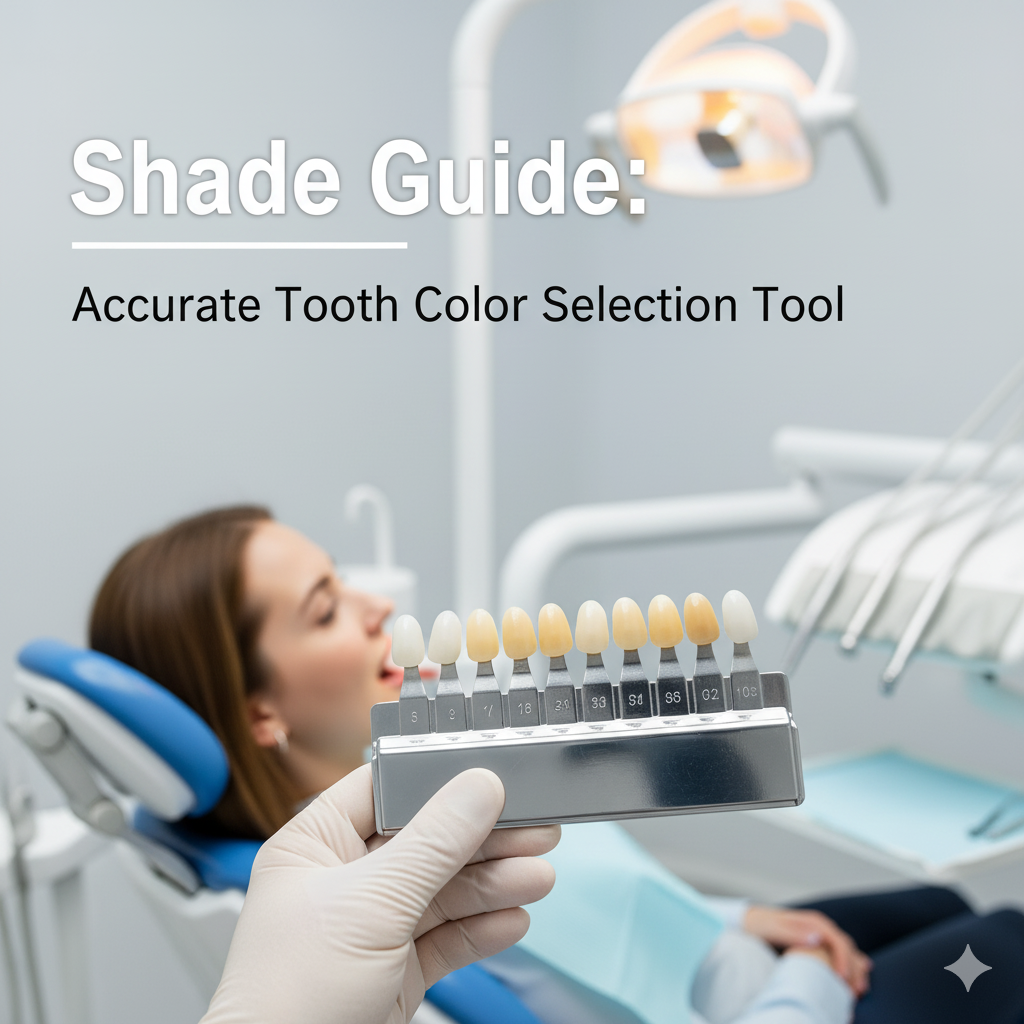
Shade Guide: Accurate Tooth Color Selection Tool

Shade Guide: Accurate Tooth Color Selection Tool

In the world of Clinical Prosthodontics, achieving an ideal tooth shade is as crucial as ensuring perfect fit and function. The shade guide plays a central role in this process. It is one of the most essential diagnostic instruments used by dentists and dental technicians to accurately determine the tooth color for crowns, bridges, veneers, and dentures. At Biosurgico Pakistan, we understand the importance of precision, aesthetics, and technology in modern dentistry. That’s why our range of shade guides helps dental professionals achieve natural, aesthetic, and consistent results — ensuring every smile designed in Pakistan looks both confident and lifelike. What Is a Shade Guide? A shade guide is a specialized dental instrument used to match and select the most appropriate tooth color for restorative and prosthetic treatments. It consists of a set of standardized tooth samples, each representing a particular shade, hue, and chroma level. These shade tabs are arranged in a logical sequence, allowing dentists to compare them directly with the patient’s natural teeth under proper lighting conditions. The selected shade is then communicated to the dental laboratory, ensuring that the final restoration matches the patient’s existing dentition. Importance of the Shade Guide in Clinical Prosthodontics In Clinical Prosthodontics, where aesthetics meet function, color matching is non-negotiable. Whether fabricating a dental crown, bridge, denture, or veneers, the restoration must seamlessly blend with the surrounding teeth. A shade guide enables: At Biosurgico, we supply high-precision shade guides in Pakistan that help prosthodontists and general dentists alike deliver optimal restorative outcomes. Types of Dental Shade Guides Different shade guides serve different purposes depending on the clinical case and the manufacturer. Below are the most common types used in Pakistan’s dental clinics and laboratories: 1. VITA Classical Shade Guide One of the most popular systems worldwide, the VITA Classical Shade Guide arranges shades into four groups (A, B, C, and D), based on color hue and chroma. 2. VITA 3D-Master Shade Guide This guide uses a scientifically structured approach, focusing on three parameters — lightness, chroma, and hue. It offers more precise shade differentiation, especially in advanced aesthetic dentistry. 3. Digital or Electronic Shade Guides Modern digital shade guides (like VITA Easyshade or ShadePilot) use spectrophotometric technology to measure color objectively. They eliminate subjective errors caused by lighting or human perception — a growing trend in Pakistan’s digital dentistry market. 4. Custom Shade Guides For specialized cases, such as cosmetic veneers or full-mouth rehabilitations, dentists may develop custom shade tabs using composite or ceramic materials to match local patient demographics and skin tones found across Pakistan. How to Use a Shade Guide Correctly Selecting the correct shade requires clinical skill and proper technique. Follow these professional steps for the most accurate results: At Biosurgico, our shade guides come with easy-to-read shade tabs, ergonomic handles, and sterilizable cases to ensure both precision and hygiene in every use. Clinical Applications of Shade Guides Shade guides are not limited to prosthodontic cases alone. They play a role across several dental disciplines in Pakistan: Factors Affecting Shade Selection Dentists in Pakistan must consider local environmental and biological factors that influence shade perception: Biosurgico shade guides are designed keeping these regional factors in mind — ensuring results that reflect Pakistan’s diverse patient demographics. Why Choose Biosurgico Shade Guides in Pakistan? As a trusted supplier of Clinical Prosthodontic Equipment and Diagnostic Instruments in Pakistan, Biosurgico ensures that every shade guide we offer meets international standards of accuracy, durability, and hygiene. ✅ Key Features of Biosurgico Shade Guides: Whether you run a dental clinic in Karachi, a prosthodontic lab in Lahore, or a teaching institute in Islamabad, Biosurgico provides reliable shade guides that help you deliver professional, aesthetic, and long-lasting results. (Wikipedia) Conclusion: The Foundation of Aesthetic Dentistry A shade guide is more than a color chart — it’s a diagnostic precision tool that bridges the gap between science and artistry in dentistry. By ensuring accurate tooth color selection, it lays the foundation for aesthetic success in every restorative or prosthodontic procedure. At Biosurgico Pakistan, we take pride in supplying high-quality shade guides and other Clinical Prosthodontic Diagnostic Instruments to empower dental professionals nationwide. For reliability, precision, and affordability — choose Biosurgico, Pakistan’s trusted dental equipment brand. FAQs: Shade Guide for Selecting Tooth Color 1. What is a dental shade guide? A dental shade guide is a tool used by dentists to determine the color of a patient’s teeth. It helps ensure that restorations, such as crowns, veneers, or fillings, match the natural tooth color for a seamless, aesthetic result. 2. How does a shade guide work? The guide consists of a series of standardized tooth-colored tabs. Each tab represents a different shade or tone. The dentist compares these tabs to the patient’s natural teeth under proper lighting to select the closest match. 3. Why is selecting the correct shade important? Matching the correct shade ensures that dental restorations look natural and blend seamlessly with surrounding teeth. Incorrect shade selection can result in restorations that appear artificial or noticeable. 4. Are there different types of shade guides? Yes, common types include: 5. Can lighting affect shade selection? Absolutely. Natural daylight or color-corrected dental lights are preferred. Fluorescent or overly warm lighting can distort color perception, leading to a mismatch.

Shade Guide: Accurate Tooth Color Selection Tool Read More »
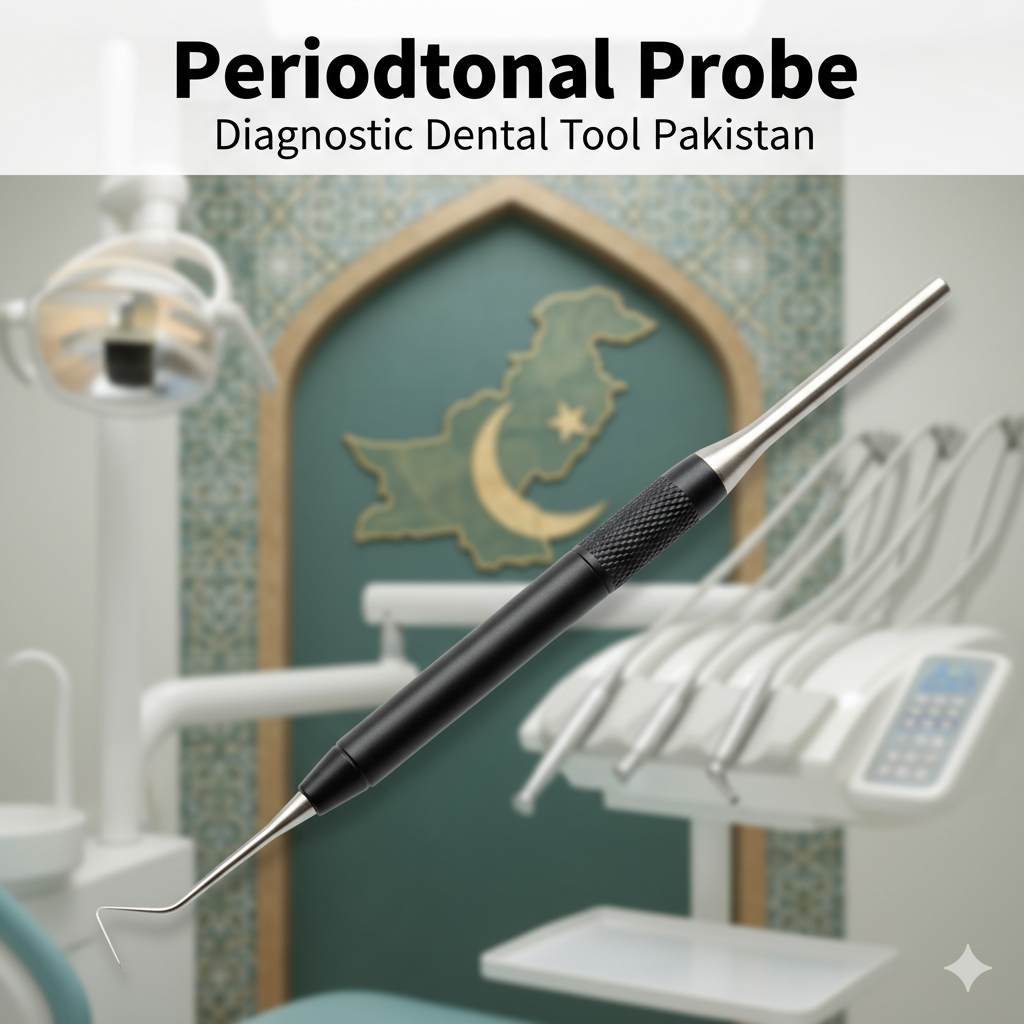
Periodontal Probe | Diagnostic Dental Tool Pakistan

Periodontal Probe | Diagnostic Dental Tool Pakistan

In the realm of dental diagnostics and treatment planning, the periodontal probe plays a central and indispensable role. As part of the category “Clinical Prosthodontics Equipment → Diagnostic Instruments”, the periodontal probe serves as a precision tool that enables dentists to assess the health of the periodontium, measure pocket depths, and guide restorative and prosthodontic procedures. For dental practices across Pakistan — from Karachi to Lahore, Islamabad to Peshawar — awareness and mastery of the periodontal probe is key to delivering high-quality care and optimal outcomes. What is a Periodontal Probe? A periodontal probe is a slender, blunt-ended dental instrument marked in millimetres (or colour-bands) used to measure the depth of the gingival sulcus or periodontal pocket around a tooth. ScienceDirect+2Wikipedia+2 Typically made of stainless steel or other durable materials, the probe’s markings allow clinicians to quantify pocket depths, assess clinical attachment loss, measure gingival recession and other parameters. Colgate Professional+1 In lay terms: if you imagine the space between your gum and tooth, the periodontal probe is the “ruler” that helps the dentist determine if that space is healthy (typically ~1-3 mm) or has developed into a deeper pocket (≥4 mm) which may signal disease. My Costa Mesa Dentist+1 Why the Periodontal Probe Matters in Prosthodontics Diagnostic Foundation for Prosthodontic Planning In prosthodontics, especially when fabricating crowns, bridges, implants or full-mouth rehabilitations, understanding the condition of the periodontium is essential. If a tooth or its supporting bone is compromised by periodontal disease, prosthodontic outcomes may be jeopardised. The periodontal probe therefore serves as a diagnostic instrument that informs whether the periodontal tissues are adequate to support prosthetic work. Ensuring Long-Term Success of Dental Prostheses Poor periodontal support can lead to loosening of crowns, failure of implants, bone loss and other complications. By using the probe to measure periodontal pocket depths, attachment levels and gingival health, the prosthodontist can design treatments that factor in these parameters — ensuring that the prosthetic work is placed in a healthy and stable foundation. Integrating with Periodontal Therapy In many cases, prior to prosthodontic rehabilitation, periodontal treatment (for example scaling, root-planning, regenerative therapy) may be required. The probe helps to monitor the effect of such therapy by recording baseline measurements and follow-ups, so that when prosthetic work begins, the tissues are stable. As noted in literature, the probe continues to be “an important diagnostic instrument by the dental profession.” Key Features & Specifications of a Good Periodontal Probe For a dental practice in Pakistan investing in clinical prosthodontics equipment, here are the features you should look for when sourcing a quality periodontal probe: In the context of Pakistan, where clinics span from high-end urban dental centres to rural outreach programmes, selecting a probe that is both cost-effective and meets sterilisation/cleaning requirements is critical. Technique: How to Use a Periodontal Probe Reliably Accurate measurements with the periodontal probe depend less on the instrument alone and more on the technique. Key steps include: For dental practices in Pakistan, training staff and maintaining consistent probing technique is essential — this ensures accurate diagnosis and better prosthodontic outcomes. Clinical Parameters Measured by the Periodontal Probe The periodontal probe is used not only for pocket depth but multiple relevant parameters: These measurements are critical in treatment planning — including whether prosthodontic work can proceed immediately, or whether periodontal therapy must precede it. Buying & Maintaining Periodontal Probes: Pakistan Market Considerations What to Look For When Sourcing For dental clinics in Pakistan (Karachi, Lahore, Islamabad, etc.), here are practical considerations: Maintenance & Hygiene Advantages of Using the Right Periodontal Probe in Prosthodontics Challenges & Best Practices in the Pakistani Context Challenges Best Practices Summary & Conclusion For dental clinics across Pakistan looking to excel in the field of prosthodontics, integrating the periodontal probe as a routine diagnostic instrument is essential. At Biosurgico, we emphasise the importance of selecting a high-quality probe, standardising technique, and using the measurements obtained to guide prosthodontic planning and execution. When periodontal health is assessed reliably, prosthetic work becomes more predictable, durable and successful. The periodontal probe is not just a small instrument – it is the gateway to understanding the foundation upon which crowns, bridges, implants and full-mouth rehabilitations rest. If you are sourcing clinical prosthodontics equipment (diagnostic instruments) for your practice in Pakistan, give the periodontal probe the attention it deserves — from purchase, training, technique to monitoring. With that, you’ll raise the standard of care, enhance patient outcomes, and bolster your clinic’s reputation in a competitive market. 🦷 Frequently Asked Questions (FAQs) About the Periodontal Probe 1. What is a periodontal probe used for? A periodontal probe is a diagnostic dental instrument used to measure the depth of the space (pocket) between the tooth and surrounding gum tissue. It helps dentists identify gum disease, monitor periodontal health, and plan prosthodontic treatments such as crowns, bridges, and implants. 2. How many millimetres is normal for a periodontal pocket? A healthy gingival sulcus typically measures 1–3 mm. A measurement of 4 mm or more may indicate the presence of periodontal disease, requiring professional cleaning or treatment before prosthodontic procedures begin. 3. What are the types of periodontal probes? There are several types, including: 4. How should a periodontal probe be used correctly? Insert the probe gently alongside the tooth, keeping it parallel to the tooth’s long axis. Apply light pressure (10–20 g) and “walk” the probe around the tooth in small steps to record six readings per tooth (three on the facial side and three on the lingual side). Consistency is key for accurate diagnosis. 5. Why is the periodontal probe important in prosthodontics? Before creating any prosthesis, the dentist must assess the gum and bone support. Using a periodontal probe ensures that crowns, bridges, and implants are placed only on teeth and tissues that can support them, leading to long-term success of dental restorations.

Periodontal Probe | Diagnostic Dental Tool Pakistan Read More »

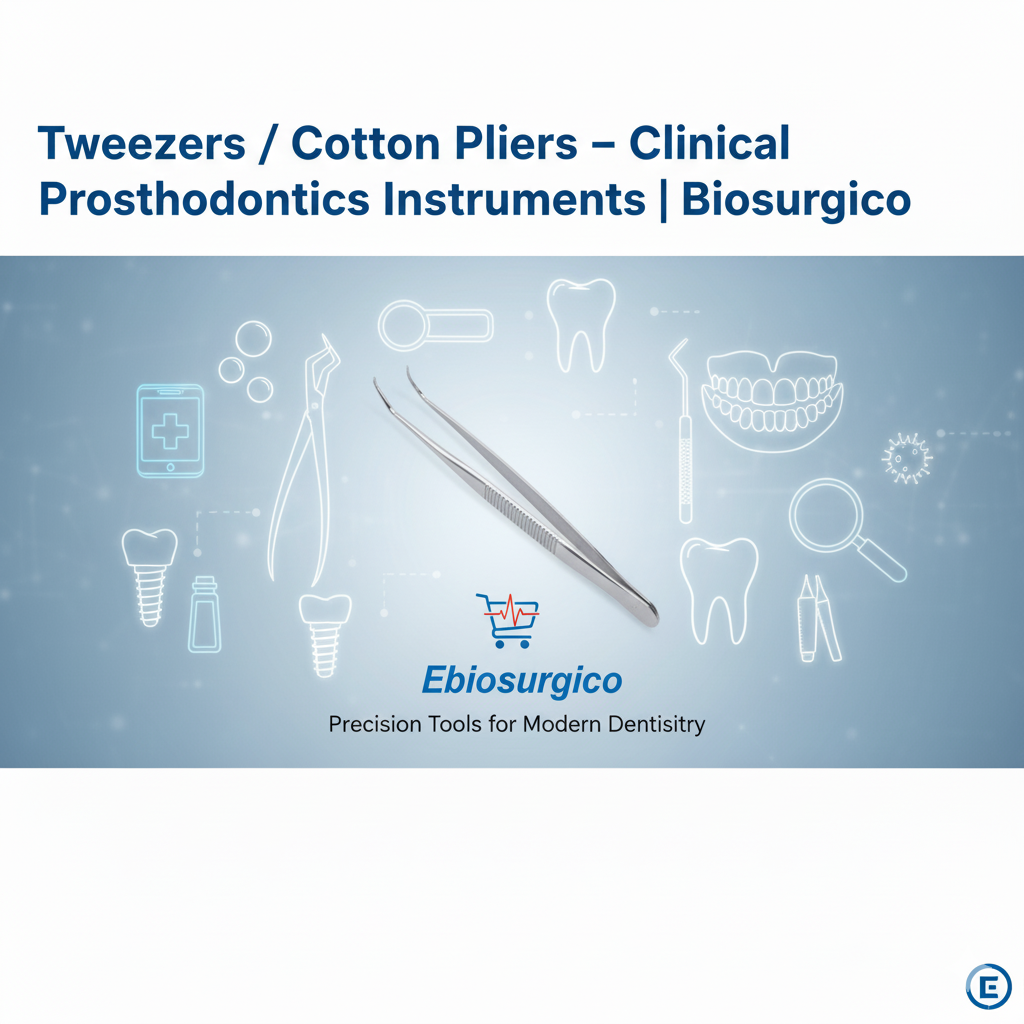
Tweezers / Cotton Pliers – Clinical Prosthodontics Instruments | Biosurgico Pakistan

Tweezers / Cotton Pliers – Clinical Prosthodontics Instruments | Biosurgico

In the field of clinical prosthodontics, precision and hygiene are non-negotiable. One of the most commonly used diagnostic instruments is the tweezer or cotton plier — a small yet indispensable tool that plays a vital role in every dental setup. At Biosurgico, we provide high-quality tweezers and cotton pliers in Pakistan, designed to meet international dental standards while remaining affordable for clinics, dental schools, and hospitals nationwide. Whether you’re a practicing dentist in Karachi, Lahore, or Islamabad, or a dental student looking for reliable instruments, our Biosurgico tweezers and cotton pliers ensure precision handling, comfort, and durability in every procedure. What Are Tweezers / Cotton Pliers in Prosthodontics? Tweezers, also known as cotton pliers, are handheld dental instruments used to grasp, hold, transfer, and place small items such as cotton pellets, wedges, matrix bands, or other materials into and out of the oral cavity. In prosthodontics, they play an important role in maintaining a sterile field and preventing contamination during diagnostic and restorative procedures. At Biosurgico Pakistan, our dental tweezers are made from premium stainless steel, ensuring resistance to corrosion and long-term performance — key factors for Pakistan’s humid climate and frequent sterilization cycles. Types of Tweezers / Cotton Pliers Available in Pakistan Locking Cotton Pliers Locking tweezers are equipped with a locking mechanism that secures the grip, allowing the dentist to hold materials firmly without continuous pressure. These are ideal for prosthodontic and endodontic procedures, where precision placement of materials is essential. Non-Locking Tweezers Non-locking models offer more flexibility and control, making them suitable for diagnostic and examination purposes. They are commonly used in dental colleges and teaching hospitals across Pakistan due to their simplicity and affordability. Curved and Straight Designs Depending on the procedure, dentists may prefer curved or straight tweezers. Biosurgico’s range includes both variants, enabling easier access to posterior areas and better handling in limited spaces — an important factor in prosthodontic diagnostics. Clinical Applications in Prosthodontics In clinical prosthodontics, tweezers / cotton pliers are used for: These applications highlight the importance of tweezers not only as diagnostic instruments but also as support tools in prosthodontic laboratory and chairside work. Why Choose Biosurgico Tweezers / Cotton Pliers in Pakistan? 🔹 Premium-Grade Stainless Steel Manufactured using German stainless steel, our tweezers guarantee corrosion resistance, autoclavable safety, and longevity, ideal for the Pakistani dental environment. 🔹 Ergonomic Design Biosurgico cotton pliers are designed for maximum comfort, reducing hand fatigue during prolonged procedures. 🔹 Local Availability & After-Sales Support Being a Pakistan-based supplier, Biosurgico ensures quick delivery, competitive pricing, and reliable after-sales service to dentists and distributors across Karachi, Lahore, Islamabad, Multan, Peshawar, and Faisalabad. 🔹 CE and ISO Certified Instruments Every Biosurgico product, including our tweezers and cotton pliers, complies with international dental instrument standards (CE & ISO certifications), ensuring both safety and precision. Maintenance and Sterilization Tips for Pakistani Dental Clinics Proper maintenance extends the life of your dental instruments. Here are a few care tips for tweezers and cotton pliers: By following these steps, dental professionals can ensure longer instrument life and maintain infection control standards in compliance with Pakistan Medical & Dental Council (PMDC) guidelines. Biosurgico – Your Trusted Supplier of Dental Instruments in Pakistan At Biosurgico, we take pride in being a leading manufacturer and supplier of dental and surgical instruments in Pakistan, specializing in Clinical Prosthodontics Equipment. Our mission is to equip dentists with high-quality diagnostic instruments that improve precision, patient comfort, and procedural safety. We offer bulk supplies for: Where to Buy Tweezers / Cotton Pliers in Pakistan? You can easily buy dental tweezers and cotton pliers in Pakistan directly from Biosurgico’s official website or through our authorized distributors. We deliver to all major cities, with nationwide shipping options and customized instrument sets for prosthodontics, endodontics, and orthodontics. Conclusion Tweezers / Cotton Pliers are small yet crucial diagnostic instruments in clinical prosthodontics, enabling precision, hygiene, and control during dental procedures. Choosing Biosurgico Pakistan ensures access to durable, ergonomic, and certified dental instruments trusted by professionals nationwide. Upgrade your dental toolkit today with Biosurgico tweezers and cotton pliers — engineered for precision, designed for comfort, and built for Pakistan’s dental professionals. 🦷 Frequently Asked Questions (FAQs) About Tweezers / Cotton Pliers – Biosurgico Pakistan What are Tweezers / Cotton Pliers used for in dentistry? Tweezers, also known as cotton pliers, are diagnostic dental instruments used to hold, grasp, and transfer small items such as cotton pellets, wedges, and restorative materials during dental procedures. In clinical prosthodontics, they help maintain asepsis and precision by allowing dentists to handle materials without direct hand contact. What materials are Biosurgico Tweezers / Cotton Pliers made from? At Biosurgico, our tweezers and cotton pliers are made from high-grade German stainless steel, ensuring corrosion resistance, long-lasting sharpness, and easy sterilization. These materials are ideal for Pakistan’s humid climate and regular autoclave use in dental clinics. What types of Tweezers / Cotton Pliers are available in Pakistan? Biosurgico offers a wide range of dental tweezers and cotton pliers in Pakistan, including: How should I sterilize my dental tweezers and cotton pliers? Always clean the instruments immediately after use, rinse under running water, and ultrasonically clean if available. Dry completely before autoclaving to prevent rust. Avoid using harsh chemicals that may damage the steel finish — especially important in Pakistani dental environments with high humidity. Can I buy Tweezers / Cotton Pliers online in Pakistan? Yes! You can buy dental tweezers and cotton pliers online in Pakistan directly from Biosurgico’s official website. We offer nationwide delivery to Karachi, Lahore, Islamabad, Multan, Peshawar, Faisalabad, and other cities — with fast shipping and wholesale pricing options for dental clinics and colleges.

Tweezers / Cotton Pliers – Clinical Prosthodontics Instruments | Biosurgico Read More »

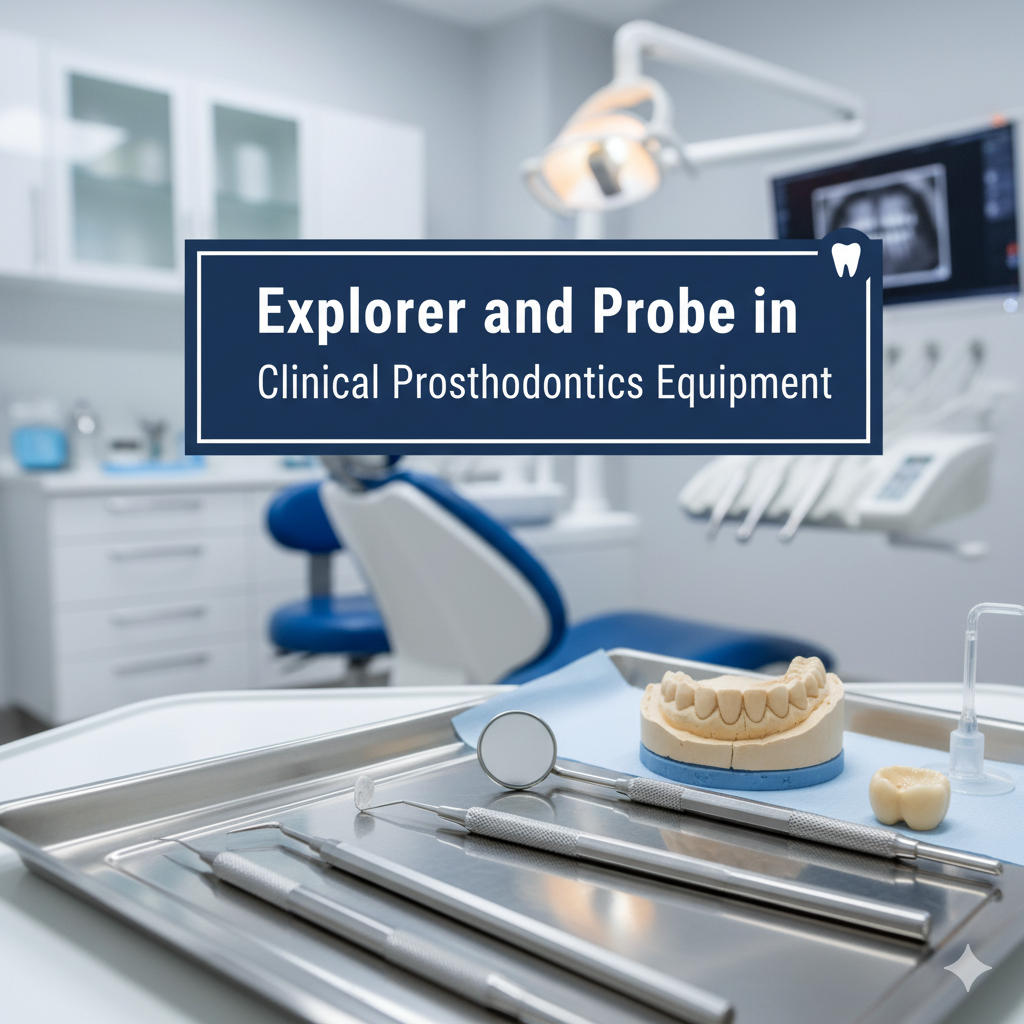
Explorer and Probe in Clinical Prosthodontics

Explorer and Probe in Clinical Prosthodontics Equipment

In the discipline of Clinical Prosthodontics, diagnostic accuracy determines the success of every treatment. Before a dentist can restore missing teeth or fabricate prosthetic appliances, a thorough examination must be carried out to understand the patient’s oral condition. Among the wide range of diagnostic tools used, the explorer and probe hold a significant position. These simple yet precise instruments allow dental professionals to evaluate both hard and soft tissues with exceptional sensitivity and accuracy. They are the first instruments a prosthodontist uses during examination and remain essential throughout diagnostic and maintenance phases. 🔹 Understanding Diagnostic Instruments in Prosthodontics 🔸 Importance of Diagnosis in Prosthodontic Practice Diagnosis forms the foundation of every successful prosthodontic treatment plan. Whether fabricating crowns, bridges, or dentures, understanding the integrity of the remaining tooth structure and the health of the surrounding tissues is crucial. Diagnostic instruments provide tactile and visual information that imaging tools alone cannot offer. They allow the clinician to “feel” the surface of enamel, detect subgingival calculus, and measure periodontal health with millimeter precision. 🔸 Role of Explorer and Probe Among Diagnostic Tools Among the many diagnostic tools, the explorer and periodontal probe are two of the most fundamental. While the explorer detects hard tissue changes like caries and defective margins, the probe measures soft tissue conditions, particularly periodontal pocket depth and gingival health. Together, they offer a complete diagnostic view that guides treatment planning in prosthodontics. 🔹 The Dental Explorer: Design, Structure, and Variations 🔸 Structural Components of the Dental Explorer The dental explorer is a finely crafted instrument made of stainless steel. It consists of three main parts — the handle, shank, and working end. 🔸 Common Types of Dental Explorers Several types of explorers are available to suit specific diagnostic needs: Each type of explorer allows the clinician to examine different regions of the oral cavity with precision and comfort. 🔹 Clinical Functions of the Dental Explorer 🔸 Detection of Caries and Surface Irregularities The primary role of the dental explorer is to detect carious lesions and enamel defects. By gently gliding the sharp tip over tooth surfaces, the clinician can feel for soft, sticky, or rough areas that may indicate early decay. This tactile sensitivity is unmatched by visual inspection or radiographs. 🔸 Examination of Restorations and Prosthetic Margins In prosthodontics, explorers help assess the margins of crowns, bridges, and fillings. They can detect overhanging edges, open margins, or gaps that could lead to plaque accumulation or secondary caries. Detecting such issues early helps ensure that prosthetic restorations fit precisely and last longer. 🔸 Assessment of Tooth Surface Texture Before preparing a tooth for a crown or bridge, the explorer helps evaluate the hardness and texture of enamel and dentin. This ensures that the remaining tooth structure is sound enough to support the planned prosthesis. 🔹 The Periodontal Probe: Structure and Calibration 🔸 Design and Features of the Periodontal Probe The periodontal probe is a thin, rod-like instrument with a blunt, calibrated tip marked in millimeters. The markings allow clinicians to measure the depth of the gingival sulcus or periodontal pockets. The probe’s tip is rounded to prevent tissue trauma, and its handle is ergonomically shaped for stability and comfort during use. 🔸 Common Types of Periodontal Probes Each type serves a specific clinical requirement depending on the case complexity and examination depth needed. 🔹 Clinical Functions of the Periodontal Probe 🔸 Measurement of Periodontal Pocket Depths The main function of the periodontal probe is to measure the depth of the sulcus or periodontal pocket around each tooth. A healthy sulcus is usually 1–3 mm deep; deeper measurements indicate periodontal disease. In prosthodontics, this measurement helps determine whether the supporting tissues can sustain a fixed or removable prosthesis. 🔸 Evaluation of Gingival Health The probe helps evaluate gingival inflammation, recession, and bleeding on probing, which are critical indicators of periodontal health. Understanding these factors ensures that prosthetic restorations do not compromise or overload the supporting tissues. 🔸 Post-Prosthetic Assessment After prosthetic treatment, the probe is used to monitor periodontal response to the restorations. Regular probing helps detect early signs of inflammation or tissue changes that may affect the longevity of the prosthesis. 🔹 Combined Diagnostic Use of Explorer and Probe 🔸 Complementary Diagnostic Roles While the explorer assesses hard tissues, the probe focuses on soft tissues. Used together, they provide a complete understanding of a patient’s oral condition. The explorer detects surface-level defects like caries and roughness, while the probe identifies deeper structural issues like attachment loss and bone resorption. 🔸 Importance in Prosthodontic Planning In prosthodontics, combining both instruments during examination ensures that the dentist identifies every factor affecting prosthesis success — from carious lesions to tissue support. This integrated diagnostic approach minimizes treatment complications and improves restoration outcomes. 🔹 Maintenance and Sterilization of Explorers and Probes 🔸 Cleaning and Sterilization Protocols Since explorers and probes come into direct contact with saliva and blood, strict sterilization is vital. After each use, they should be cleaned using an ultrasonic cleaner to remove debris, followed by autoclaving at 121°C for 15–20 minutes. 🔸 Instrument Care and Inspection Before reuse, each instrument should be inspected for bent tips, dull edges, or faded calibration marks, as these can reduce diagnostic accuracy. Maintaining the sharpness of explorers and clarity of probe markings ensures long-term effectiveness and safety. 🔹 Importance of Explorer and Probe in Clinical Prosthodontics 🔸 Foundation of Accurate Diagnosis Despite advancements in digital dentistry, manual diagnostic instruments like the explorer and probe remain the foundation of clinical diagnosis. Their tactile feedback allows dentists to detect conditions invisible to the eye or scanner. 🔸 Contribution to Successful Prosthodontic Outcomes Every prosthodontic restoration depends on a stable and healthy oral foundation. Explorers and probes help ensure that both teeth and supporting tissues are properly evaluated before treatment. Their precise diagnostic input enhances the fit, function, and longevity of dental prostheses. 🔹 Conclusion In summary, the explorer and probe are indispensable components of Clinical Prosthodontics Equipment, categorized under Diagnostic Instruments. The explorer helps

Explorer and Probe in Clinical Prosthodontics Equipment Read More »

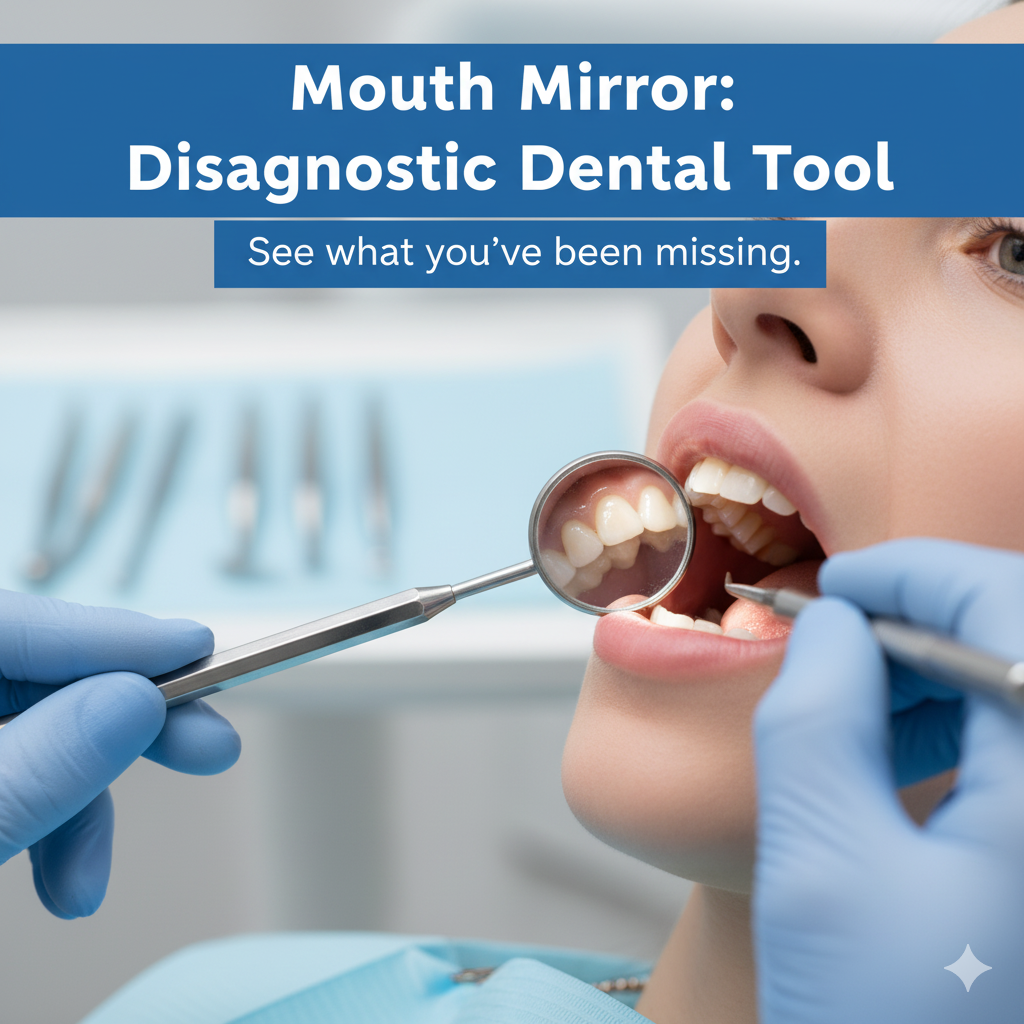
Mouth Mirror: Essential Diagnostic Dental Tool

Mouth Mirror: Essential Diagnostic Dental Tool

In the field of clinical prosthodontics, precision, visibility, and accuracy are the foundations of successful dental treatment. Among the numerous instruments used by dental professionals, the mouth mirror holds a place of great importance. Despite its simple design, this diagnostic tool plays a vital role in facilitating examination, diagnosis, and treatment planning. This is a small, round, concave or flat mirror attached to a slender metal handle, specifically designed to assist dentists in visualizing areas of the mouth that are otherwise difficult to see directly. The mouth mirror not only enhances visibility inside the oral cavity but also aids in illumination, retraction, and indirect vision, making it one of the most indispensable instruments in a prosthodontic setup. What Is a Mouth Mirror? This is a diagnostic dental instrument that consists of two main components — a mirror head and a handle. The mirror head is usually circular and available in various diameters (commonly 18–24 mm), while the handle provides a firm and ergonomic grip for the clinician. The mirror surface may be plane (flat) or concave, depending on the level of magnification required. In prosthodontics, the mouth mirror is essential for assessing the oral cavity before, during, and after dental procedures such as crown preparation, denture fabrication, or implant placement. It allows the dentist to observe hidden surfaces of teeth, evaluate soft tissues, and assess occlusion and alignment, all of which are critical in prosthodontic diagnosis and treatment planning. Types of Mouth Mirrors It comes in several variations based on its reflecting surface and construction. Understanding these types helps clinicians choose the right tool for specific procedures. 1. Plane (Flat) Mouth Mirror A plane mouth mirror has a flat reflective surface that provides a true image without magnification. Although it may cause slight double images when used indirectly, it is ideal for general examination and simple diagnostic tasks. 2. Concave Mouth Mirror The concave mirror produces a magnified image of the examined area, which enhances visibility of small structures, fine details, and surface irregularities. This type is particularly useful in prosthodontics for detecting marginal discrepancies in crowns, bridges, or dentures. 3. Front Surface Mirror A front surface mouth mirror eliminates ghost images by placing the reflective coating on the outer surface of the glass. This ensures a sharp, clear, and distortion-free reflection. It is widely used in modern prosthodontic clinics for precision-based diagnostic work. Functions and Uses of a Mouth Mirror in Prosthodontics It serves multiple functions that make it indispensable in diagnostic and operative dentistry. Its primary uses include: 1. Indirect Vision One of the most important uses of the mouth mirror is providing indirect vision for areas that are not directly visible, such as the posterior surfaces of teeth or the lingual surfaces of mandibular molars. This is essential during prosthodontic impressions, crown fittings, and occlusal evaluations. 2. Illumination By reflecting light onto dark or shadowed areas of the mouth, the mouth mirror enhances illumination. This improves visualization of fine details, enabling the clinician to make more accurate diagnoses. 3. Retraction of Soft Tissues It helps retract the tongue, lips, and cheeks, providing better access to the working area without causing patient discomfort. This is especially important during impression-taking, tooth preparation, and fitting prostheses. 4. Transillumination When light is reflected through anterior teeth using the mirror, it helps reveal caries, cracks, or structural defects — an essential step in comprehensive diagnostic procedures. (Wikipedia) Importance of Mouth Mirror in Clinical Prosthodontics In clinical prosthodontics, the mouth mirror is more than a visual aid — it is a diagnostic necessity. Accurate examination of oral structures determines the success of prosthetic rehabilitation. The instrument allows the prosthodontist to: Without the clarity and accessibility provided by the mouth mirror, diagnosing complex cases or evaluating prosthodontic outcomes would be nearly impossible. Components and Design of a Mouth Mirror A standard mouth mirror consists of: Modern mouth mirrors may also feature anti-fog coatings, fiber-optic illumination, or disposable mirror heads, enhancing efficiency and infection control. Maintenance and Sterilization Since the mouth mirror comes into direct contact with the patient’s oral cavity, proper cleaning and sterilization are critical. After each use, the mirror should be: Neglecting these steps can lead to cross-contamination, compromising patient safety and clinical hygiene. Conclusion It may appear to be a simple tool, but its importance in clinical prosthodontics cannot be overstated. As one of the most vital diagnostic instruments, it allows dentists to examine, diagnose, and treat with precision. From providing indirect vision and illumination to retracting soft tissues, It supports nearly every aspect of dental examination and prosthodontic procedures. Maintaining high-quality mouth mirrors, ensuring proper sterilization, and choosing the right type for specific procedures are essential practices for every dental professional committed to excellence in patient care.

Mouth Mirror: Essential Diagnostic Dental Tool Read More »

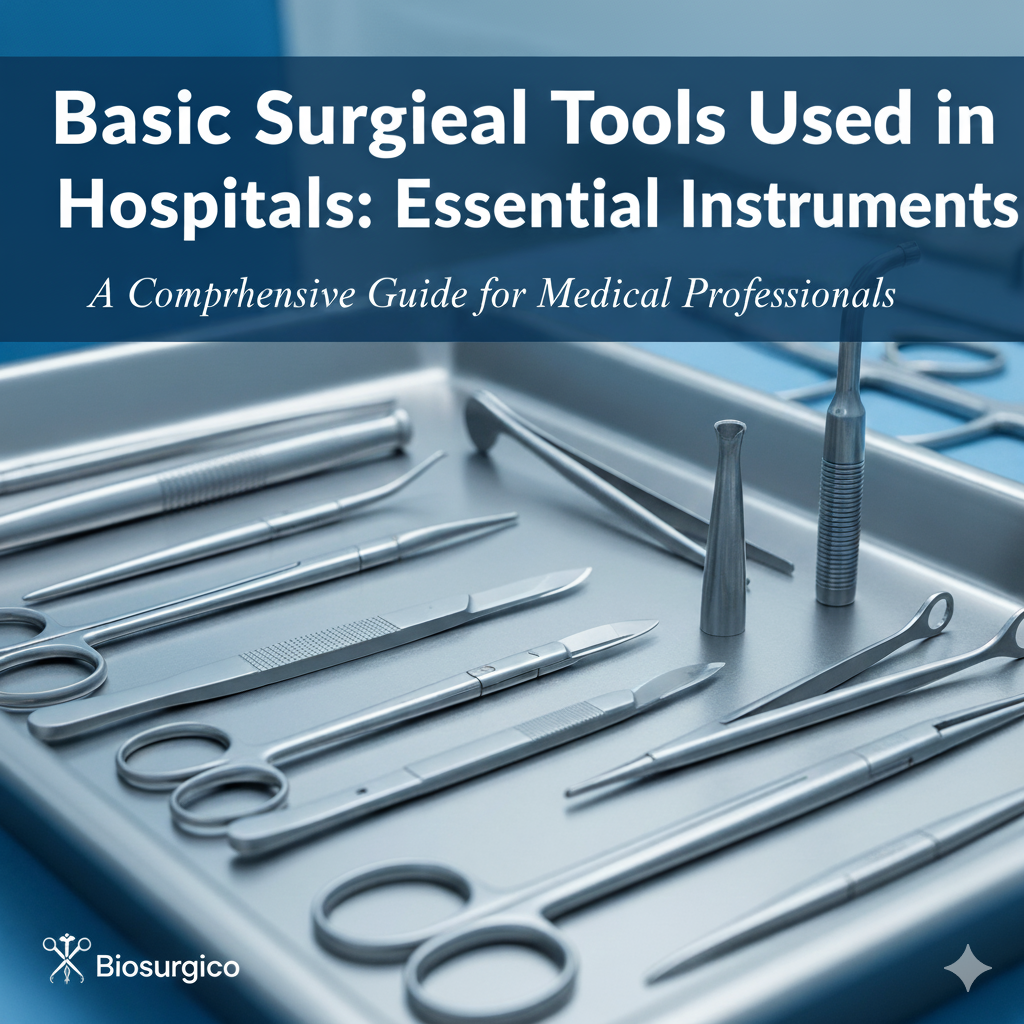
Basic Surgical Tools Used in Hospitals: Essential Instruments

Basic Surgical Tools Used in Hospitals: Essential Instruments

Surgical tools are the backbone of every procedure performed in a hospital. Whether it’s a minor incision or a complex operation, surgeons rely on various instruments to perform with precision and safety. These tools help in cutting, suturing, dissecting, and controlling bleeding, among other tasks. Having the right surgical instruments is essential to the success of any surgery. In this article, we will discuss the basic surgical tools used in hospitals, their functions, and their importance in ensuring the safety and success of medical procedures. Whether you’re looking for Surgical Tools Used in Hospitals or just curious about the tools used by medical professionals, this guide provides a comprehensive overview. If you’re in need of high-quality surgical tools, Ebiosurgico offers a wide range of medical equipment that meets the highest standards of quality and safety. Introduction to Surgical Tools Surgical tools or instruments are specially designed to assist healthcare professionals in performing surgical procedures. These instruments are designed for specific tasks such as cutting, grasping, suturing, and controlling bleeding. Some tools are used universally across all surgical disciplines, while others are specialized for particular types of surgery, such as orthopedic, cardiovascular, or neurological procedures. The quality and precision of surgical tools are critical for achieving the best outcomes for patients. A surgeon’s skill combined with the right tools ensures that surgeries are carried out safely and effectively, reducing risks and promoting quicker recovery times for patients. Types of Basic Surgical Tools Surgical tools come in many forms and serve different functions. Some are more commonly used than others, but all are designed to enhance precision and minimize risk during a surgery. Below is an overview of some of the most basic surgical tools found in a hospital operating room. Scalpels (Surgical Knives) Function: Scalpels are small, sharp knives used by surgeons to make precise incisions in the skin or other tissues during surgery. They are the first instruments used in almost every surgery, allowing surgeons to access the underlying structures of the body. Significance: Scalpels come in a variety of shapes and sizes, with disposable blades for ease of replacement and sterilization. A sharp scalpel ensures a clean cut, which reduces tissue damage and minimizes bleeding. These tools are available in both disposable and reusable versions. Surgical Scissors Function: Surgical scissors are used for cutting tissues, sutures, and other surgical materials. Depending on the procedure, surgeons may use straight or curved scissors designed for different types of tissue or material. Significance: Scissors are essential in almost every surgery, from cutting delicate tissues to more durable structures. Their design ensures that the surgeon can manipulate tissues precisely, minimizing the risk of unintended injury. There are specialized scissors, such as iris scissors for delicate eye surgery or Mayo scissors for thicker tissue. Forceps Function: Forceps are used to grasp, hold, or manipulate tissues, blood vessels, or foreign objects during surgery. They are similar to tweezers but designed for use in more precise medical procedures. Significance: Forceps come in various shapes and sizes, with different tips designed for specific purposes. For example, tissue forceps are used for grasping tissues, while vascular forceps are designed for clamping blood vessels to control bleeding. Some forceps are designed for delicate tasks, such as suturing or removing foreign bodies from a wound. Needle Holders Function: Needle holders are tools used to securely hold needles while suturing tissues together. They are often used in conjunction with a needle for stitching or repairing incisions after surgery. Significance: The design of needle holders ensures that the needle is securely clamped and controlled during suturing. These instruments are available in a variety of sizes, allowing surgeons to choose the best one for their procedure. Needle holders must be durable and offer excellent grip without damaging the needle or surrounding tissues. Hemostats (Clamps) Function: Hemostats, also known as clamps, are used to control bleeding during surgery by temporarily clamping blood vessels or tissue. This prevents excessive blood loss while the surgeon works on the surgical area. Significance: Hemostats are among the most important surgical tools in managing blood flow during surgery. They are designed to apply firm pressure to blood vessels to control hemorrhaging. Different types of hemostats are used depending on the size and location of the vessel being clamped. Surgical Drills Function: Surgical drills are used for making holes in bones or tissues, most commonly in orthopedic surgeries. These tools are used to insert screws, pins, and other devices to stabilize fractures or support joint replacements. Significance: Surgical drills are vital in orthopedic and trauma surgeries. These tools must be both powerful and precise to avoid damaging surrounding tissues while ensuring a secure fit for any implants or screws. Surgical Sponges Function: Surgical sponges are used to absorb blood and bodily fluids during surgery, ensuring the operating area remains clear for the surgeon. Sponges are also used for wiping and cleaning the surgical site. Significance: Surgical sponges are crucial for maintaining a clean and dry field during surgery. They also help to prevent infections by absorbing fluids that could harbor bacteria. Every sponge is counted before and after a surgery to ensure that none are left inside the patient’s body. Surgical Drapes and Covers Function: Surgical drapes are sterile covers used to cover areas of the patient’s body that will not be operated on. They help maintain a sterile field during the surgery. Significance: Drapes are essential for infection control, preventing the spread of bacteria from the operating room environment to the patient. These drapes are made from disposable, sterile material and are specifically designed to ensure no contamination occurs during the procedure. Specialized Surgical Tools for Specific Procedures In addition to the basic tools mentioned above, there are specialized surgical instruments tailored for specific surgeries or medical fields. Orthopedic Surgical Instruments Orthopedic surgeries require a unique set of tools designed for the manipulation of bones and joints. These tools include: Endoscopic Instruments Endoscopic surgery involves small incisions and the use of a camera to guide the surgeon. Tools

Basic Surgical Tools Used in Hospitals: Essential Instruments Read More »

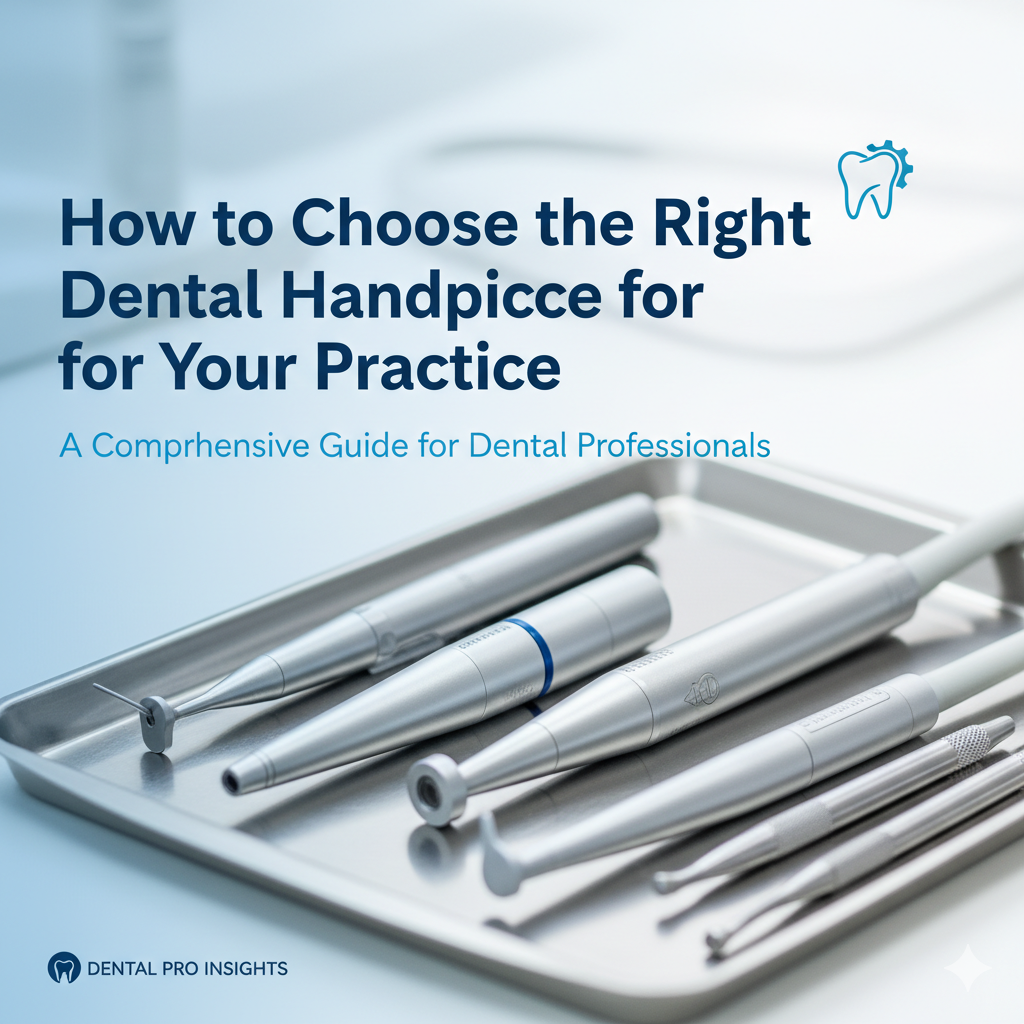
How to Choose the Right Dental Handpiece for Your Practice

How to Choose the Right Dental Handpiece for Your Practice

The choice of the ideal handpiece for your dental practice is among the most crucial choices for any dentist. Handpieces are the foundation of efficiency in the clinic — it affects precision, patient comfort as well as the overall efficacy for dental treatment. With the increasing variety of handpieces that are available for use in dentistry making an informed decision is a matter of understanding the technologies, performance parameters and how each one corresponds to your everyday practice requirements. In this thorough guide, we’ll show you how to pick the right handpiece for your dental practice to ensure the highest quality of performance and reliability over time. Understanding What a Dental Handpiece Is Dental handpieces, commonly known as a dental drill is a crucial instrument that allows dentists to carry out treatments that range from basic cleaning to intricate restorative procedures. It converts electric or air energy into a force that rotates, allowing precision cutting and polishing or the shaping of teeth. The seemingly insignificant instrument has a significant role to play in modern dentistry, providing the highest level of comfort, accuracy and efficiency throughout procedures. The development of handpieces for dental use has proven amazing and modern models provide improved performance, ergonomic design and less noise responding to the increasing demands for comfort and efficiency in the field of dental treatment. Types of Dental Handpieces When choosing the best handpiece, you must be aware of the various types available and the way they function. In general, dental handpieces are classified in the air driven, electric as well as laser categories, each one suited to a specific type and types of work. Air-Driven Handpieces Handpieces that are powered by air are the standard handpieces used in dental clinics. They utilize compressed air to spin the turbine, which makes them light, inexpensive and easy to operate. Dental professionals often use their use for general treatments like cavity preparation, scaling, and polishing. Although they might not provide the same amount of torque as handpieces with electric motors but their ease of use and affordability make them an ideal option when it comes to routine procedure. The quick cooling feature assists in preventing the build-up of heat as well as ensuring safety of patients and ease of use. Electric Handpieces Electric handpieces, on contrary, are made to be precise and powerful. Instead of air pressure they utilize an electric motor that provides constant torque and faster speeds even with heavy loads. These characteristics make them perfect for prosthodontic or restorative treatment such as crown preparation and implant surgery. Electric handpieces also generate less noise and vibration, which increases comfort for patients as well as patient comfort and control. Although they need a greater starting cost, they’re endurance and accuracy make them a valuable benefit for high-performance dental practices. Laser Handpieces Laser handpieces for dental use are the most technologically advanced techniques in the field of modern dentistry. They use focused light energy to provide treatments for hard and soft tissue without causing any discomfort. Lasers are especially effective in procedures that require gum reshaping sterilization of cavities, as well as minor surgical procedures. They can reduce bleeding, eliminate the requirement for anesthesia and speed up healing. While laser systems are expensive and require training that is specialized Their precision and a patient-friendly design make them an increasingly popular option for advanced dental clinics. Key Factors to Consider When Choosing a Dental Handpiece Power and Speed The most important part of a dental instrument can be its power output and speed. Handpieces that are powered by air typically run at speeds of up to 4000-400 RPM but may be unable to maintain torque when pressure is applied. Handpieces powered by electricity maintain a constant torque and are able to reach speeds of around 200 000 RPM, providing better control. When deciding, take into consideration the procedures you are most likely to perform The general dental procedure could benefit from air-driven tools as well as surgical and restorative procedures require laser or electric-powered instruments. Ergonomics and Handling Comfort Dentistry is physically demanding occupation. A piece of equipment that is at ease and balanced in your hand will significantly decrease fatigue over long periods of time. Choose ergonomic designs that have soft contours, lightweight body parts, and grips that are anti-slip. A lot of modern handpieces are designed to reduce wrist strain and offer greater control when working with precision. The importance of comfort isn’t only about convenience but is also directly affecting the accuracy of your movements as well as the quality of your patient’s outcomes. Durability and Build Quality Because dental handpieces are utilized often, their the durability of these instruments is vital. The stainless steel and titanium are popular materials that are known for their strength and resistance to corrosion. The highest-quality turbines and bearings, as well as the most precise engineering assure smooth operation over the course of the course of. Making the investment in a reliable model may be costly at first however it will save you cash in the end with fewer maintenance and repairs. Handpieces made by trusted manufacturers typically include comprehensive warranties and service support, which gives peace of assurance. Noise and Vibration Levels Noise reduction is another aspect which should not be ignored. Handpieces that emit high-pitched sound could cause anxiety for patients as well as stress for dentists. Modern air-driven and electric handpieces are built with sophisticated noise-dissipation devices and balanced bearings, dramatically decreasing the sound and vibration. This does not only improve patient comfort, but also increases concentration and decreases stress for the person who is performing. Compatibility and Maintenance Before you purchase, be sure the handpiece will work with the dental unit you already have and couplings. Certain models come with universal fittings while some are specific to a particular brand. Also, think about maintenance needs. Simple-to-clean designs and autoclavable materials and lubrication ports ease routine maintenance and prolong the lifespan. Handpieces that are simple to maintain, ultimately help save time, decrease operational

How to Choose the Right Dental Handpiece for Your Practice Read More »

Area of Services

Pharmaceuticals

Surgical & Non-Surgical Materials and Equipments

Dental - Instruments and Materials

Hospital and Clinics - Tools and Materials

Contact

Office 402, 4th Floor, Serwer Plaza, Main Boulevard Sabzazar, Block G Sabzazar Housing Scheme Phase 1 & 2 Lahore, Punjab 54500

© 2025 BioSurgico All Rights Reserved – Powered by Digital Era Solution