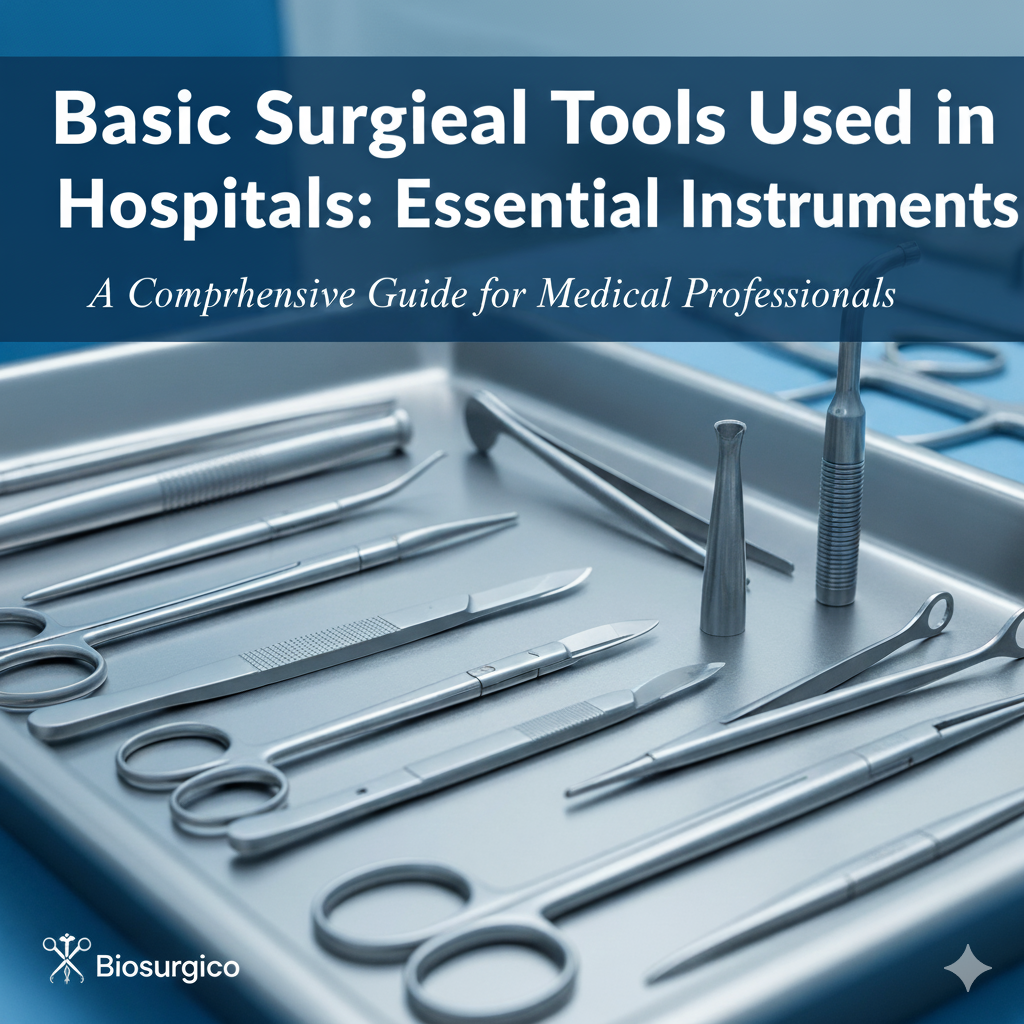
Surgical tools are the backbone of every procedure performed in a hospital. Whether it’s a minor incision or a complex operation, surgeons rely on various instruments to perform with precision and safety. These tools help in cutting, suturing, dissecting, and controlling bleeding, among other tasks. Having the right surgical instruments is essential to the success of any surgery.
In this article, we will discuss the basic surgical tools used in hospitals, their functions, and their importance in ensuring the safety and success of medical procedures. Whether you’re looking for Surgical Tools Used in Hospitals or just curious about the tools used by medical professionals, this guide provides a comprehensive overview. If you’re in need of high-quality surgical tools, Ebiosurgico offers a wide range of medical equipment that meets the highest standards of quality and safety.
Introduction to Surgical Tools
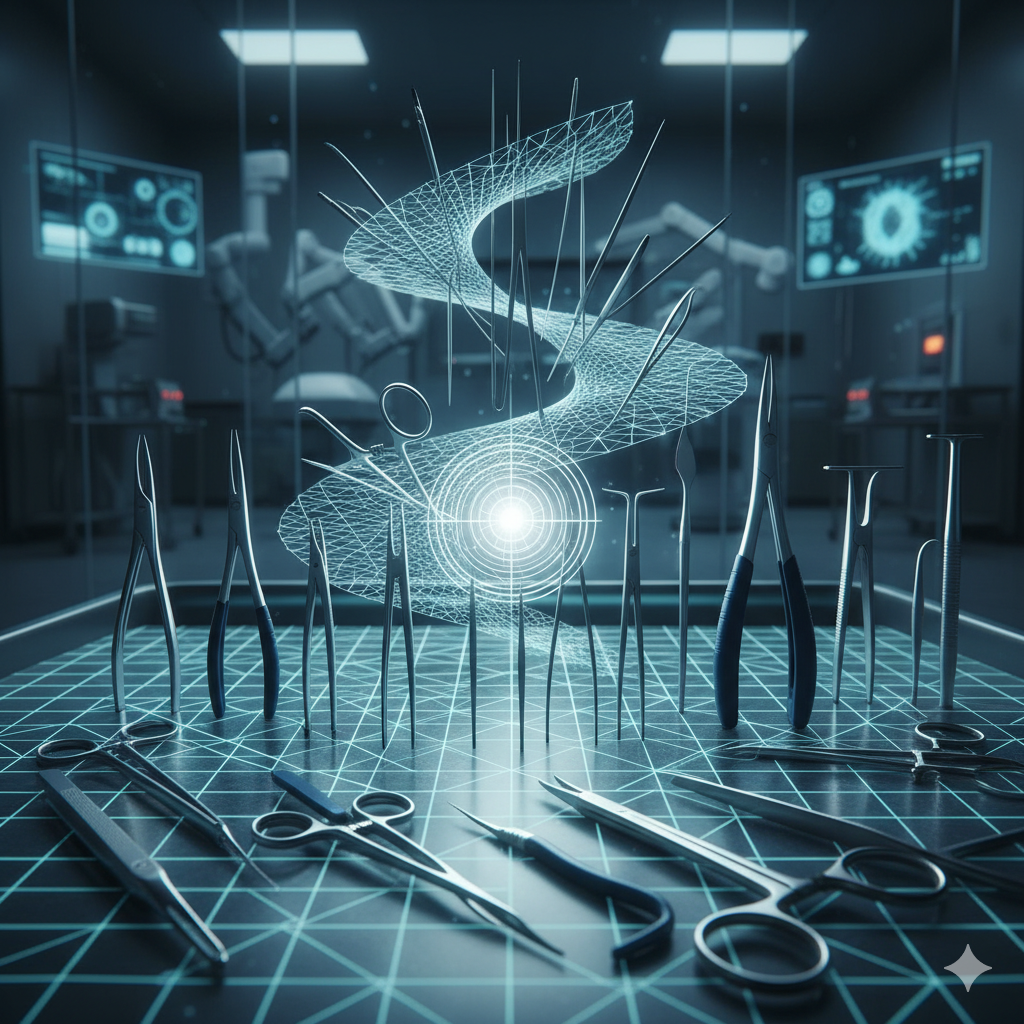
Surgical tools or instruments are specially designed to assist healthcare professionals in performing surgical procedures. These instruments are designed for specific tasks such as cutting, grasping, suturing, and controlling bleeding. Some tools are used universally across all surgical disciplines, while others are specialized for particular types of surgery, such as orthopedic, cardiovascular, or neurological procedures.
The quality and precision of surgical tools are critical for achieving the best outcomes for patients. A surgeon’s skill combined with the right tools ensures that surgeries are carried out safely and effectively, reducing risks and promoting quicker recovery times for patients.
Types of Basic Surgical Tools
Surgical tools come in many forms and serve different functions. Some are more commonly used than others, but all are designed to enhance precision and minimize risk during a surgery. Below is an overview of some of the most basic surgical tools found in a hospital operating room.
Scalpels (Surgical Knives)
Function:
Scalpels are small, sharp knives used by surgeons to make precise incisions in the skin or other tissues during surgery. They are the first instruments used in almost every surgery, allowing surgeons to access the underlying structures of the body.
Significance:
Scalpels come in a variety of shapes and sizes, with disposable blades for ease of replacement and sterilization. A sharp scalpel ensures a clean cut, which reduces tissue damage and minimizes bleeding. These tools are available in both disposable and reusable versions.
Surgical Scissors
Function:
Surgical scissors are used for cutting tissues, sutures, and other surgical materials. Depending on the procedure, surgeons may use straight or curved scissors designed for different types of tissue or material.
Significance:
Scissors are essential in almost every surgery, from cutting delicate tissues to more durable structures. Their design ensures that the surgeon can manipulate tissues precisely, minimizing the risk of unintended injury. There are specialized scissors, such as iris scissors for delicate eye surgery or Mayo scissors for thicker tissue.
Forceps
Function:
Forceps are used to grasp, hold, or manipulate tissues, blood vessels, or foreign objects during surgery. They are similar to tweezers but designed for use in more precise medical procedures.
Significance:
Forceps come in various shapes and sizes, with different tips designed for specific purposes. For example, tissue forceps are used for grasping tissues, while vascular forceps are designed for clamping blood vessels to control bleeding. Some forceps are designed for delicate tasks, such as suturing or removing foreign bodies from a wound.
Needle Holders
Function:
Needle holders are tools used to securely hold needles while suturing tissues together. They are often used in conjunction with a needle for stitching or repairing incisions after surgery.
Significance:
The design of needle holders ensures that the needle is securely clamped and controlled during suturing. These instruments are available in a variety of sizes, allowing surgeons to choose the best one for their procedure. Needle holders must be durable and offer excellent grip without damaging the needle or surrounding tissues.
Hemostats (Clamps)
Function:
Hemostats, also known as clamps, are used to control bleeding during surgery by temporarily clamping blood vessels or tissue. This prevents excessive blood loss while the surgeon works on the surgical area.
Significance:
Hemostats are among the most important surgical tools in managing blood flow during surgery. They are designed to apply firm pressure to blood vessels to control hemorrhaging. Different types of hemostats are used depending on the size and location of the vessel being clamped.
Surgical Drills
Function:
Surgical drills are used for making holes in bones or tissues, most commonly in orthopedic surgeries. These tools are used to insert screws, pins, and other devices to stabilize fractures or support joint replacements.
Significance:
Surgical drills are vital in orthopedic and trauma surgeries. These tools must be both powerful and precise to avoid damaging surrounding tissues while ensuring a secure fit for any implants or screws.
Surgical Sponges
Function:
Surgical sponges are used to absorb blood and bodily fluids during surgery, ensuring the operating area remains clear for the surgeon. Sponges are also used for wiping and cleaning the surgical site.
Significance:
Surgical sponges are crucial for maintaining a clean and dry field during surgery. They also help to prevent infections by absorbing fluids that could harbor bacteria. Every sponge is counted before and after a surgery to ensure that none are left inside the patient’s body.
Surgical Drapes and Covers
Function:
Surgical drapes are sterile covers used to cover areas of the patient’s body that will not be operated on. They help maintain a sterile field during the surgery.
Significance:
Drapes are essential for infection control, preventing the spread of bacteria from the operating room environment to the patient. These drapes are made from disposable, sterile material and are specifically designed to ensure no contamination occurs during the procedure.
Specialized Surgical Tools for Specific Procedures
In addition to the basic tools mentioned above, there are specialized surgical instruments tailored for specific surgeries or medical fields.
Orthopedic Surgical Instruments
Orthopedic surgeries require a unique set of tools designed for the manipulation of bones and joints. These tools include:
- Bone saws: Used to cut through bone during procedures such as joint replacements.
- Bone chisels and mallets: For reshaping and removing bone.
- Orthopedic pliers: For grasping, bending, and securing wires or pins.
Endoscopic Instruments
Endoscopic surgery involves small incisions and the use of a camera to guide the surgeon. Tools include:
- Endoscopes: Thin tubes with a camera for viewing internal body parts.
- Trocars: Instruments used to create a path for endoscopes and other tools.
- Biopsy forceps: Used to remove tissue samples for analysis.
Obstetrics and Gynecology Tools
Obstetricians and gynecologists use a variety of instruments for childbirth and gynecological procedures. These include:
- Forceps: Used to assist in the delivery of a baby.
- Vacuum extractors: Tools used to help deliver the baby by creating suction.
- Speculums: Instruments used for vaginal examinations.
Why Quality Surgical Instruments Matter
The quality of Surgical Tools Used in Hospitals directly impacts the outcome of a surgery. High-quality instruments provide greater precision, durability, and safety for both patients and surgeons. Poor-quality tools can lead to complications such as surgical errors, increased recovery times, or even infection.
In hospitals, it’s crucial to ensure that surgical tools are regularly checked, sterilized, and replaced when necessary. Instruments that are well-maintained and of high quality reduce the chances of complications and improve the overall success rate of surgeries.

Conclusion
Surgical tools play a vital role in modern healthcare, providing surgeons with the means to carry out a wide range of medical procedures. From basic tools like scalpels and forceps to specialized instruments used in orthopedic or endoscopic surgeries, each tool has its purpose and is essential for patient safety.
If you’re looking to invest in quality surgical instruments, Ebiosurgico is your trusted partner. With a wide selection of premium medical equipment, you can ensure that your hospital or clinic is fully equipped with the best tools to support successful surgeries.
Call to Action:
Visit Ebiosurgico today to explore our extensive range of surgical tools and medical equipment. Equip your facility with the highest-quality instruments to ensure optimal outcomes for your patients.