A Bunsen burner or spirit lamp is a vital piece of laboratory equipment used for controlled heating, sterilization, and experiments. These tools are commonly found in medical, dental, surgical, and non-surgical labs, where precision heating is crucial for conducting experiments, sterilizing instruments, and preparing samples. Both devices serve the purpose of providing a consistent, adjustable heat source that is essential in various applications within scientific and medical fields.
At Biosurgico, we offer high-quality Bunsen burners and spirit lamps designed to meet the needs of professionals in Pakistan. These tools are integral to laboratory setups, ensuring that heating is done efficiently and safely. In this article, we will discuss the differences, features, uses, and factors to consider when choosing the right heating equipment for your lab.
The Bunsen Burner: A Versatile Laboratory Heating Tool
The Bunsen burner is a popular heating device used in laboratories worldwide. Invented by Robert Bunsen in the mid-19th century, the Bunsen burner consists of a metal tube with an adjustable air supply and a gas source. The flame produced is adjustable, allowing for precise control over the heat intensity, making it ideal for various laboratory applications.
Key Features of a Bunsen Burner:
- Adjustable Flame: The Bunsen burner is known for its adjustable flame. By controlling the air supply, users can produce a blue, hotter flame or a yellow, cooler flame. This versatility makes it suitable for different heating tasks, from sterilizing instruments to heating chemicals.
- Precise Temperature Control: Bunsen burners allow laboratory technicians to control the temperature with great accuracy. The intensity of the flame can be easily adjusted, enabling a wide range of heating applications, such as boiling liquids or heating solids.
- Stable Base: A Bunsen burner is designed with a stable, heavy base to prevent tipping during use. This ensures safety when the burner is in operation, especially in fast-paced laboratory environments.
- Gas Source: The Bunsen burner operates using a gas supply, typically methane, butane, or propane, which fuels the flame. A regulator is often used to control the gas flow for optimal flame height and intensity.
Applications of a Bunsen Burner:
- Sterilization: Used for sterilizing laboratory instruments like scalpels, forceps, and glassware.
- Heating Chemicals: Ideal for heating liquids and chemicals in scientific experiments that require controlled heating.
- Flame Tests: The Bunsen burner is widely used in flame tests to identify chemical elements based on their characteristic flame colors.
The Spirit Lamp: A Compact Heating Solution
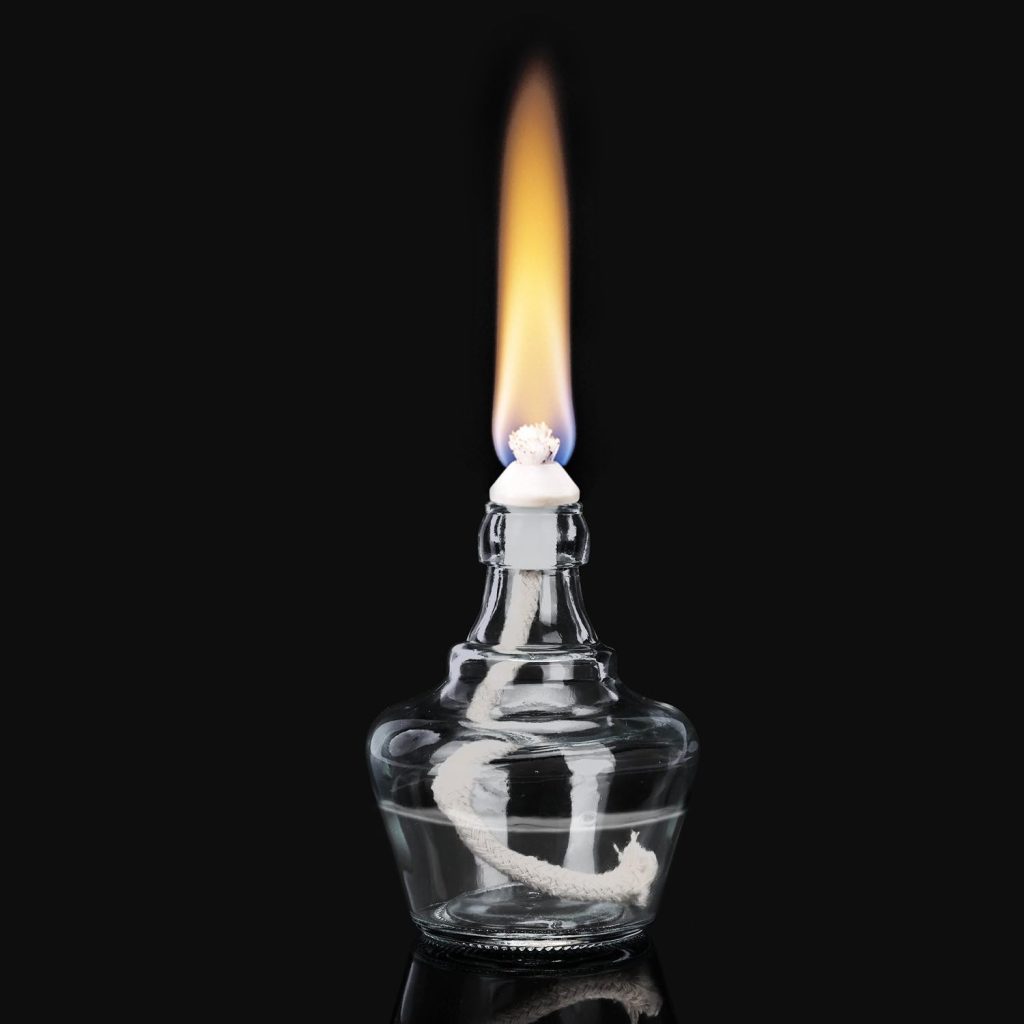
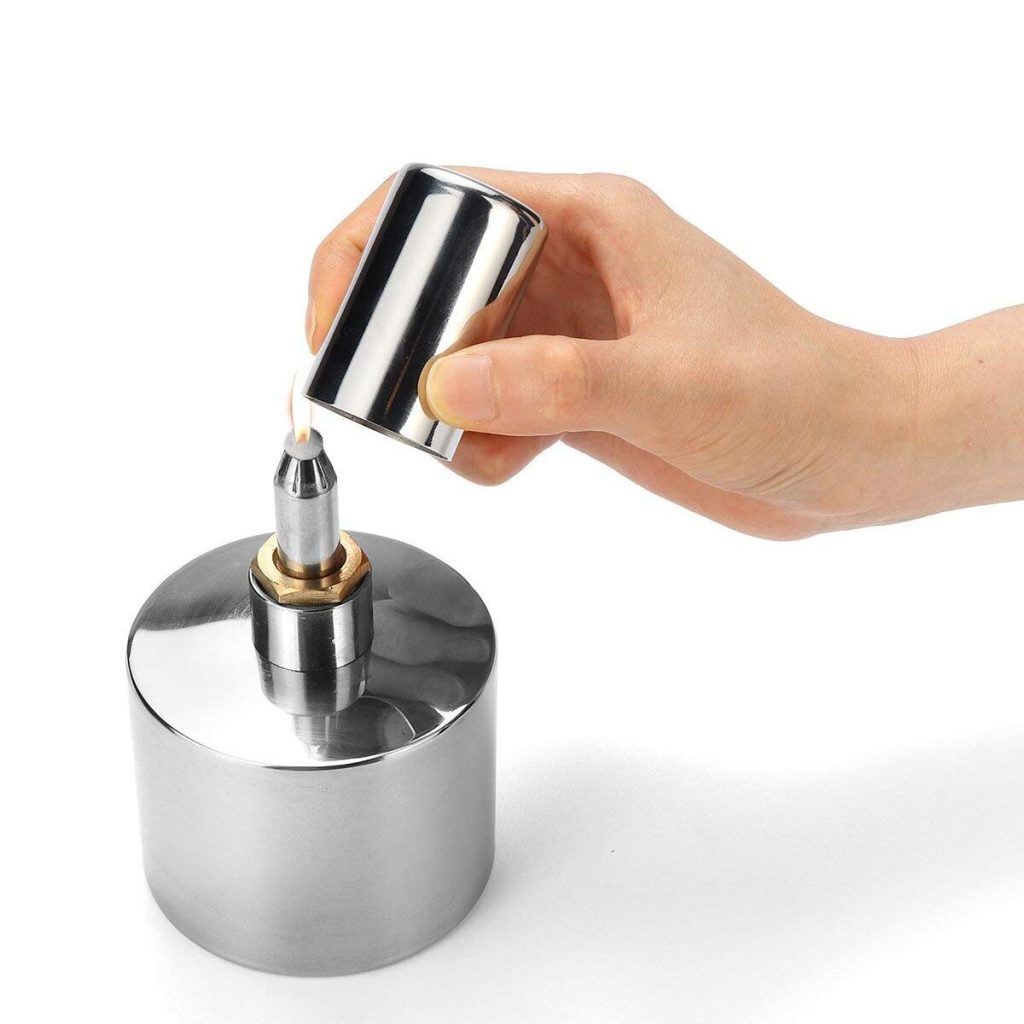
The spirit lamp is another essential laboratory heating tool, similar in function to the Bunsen burner but using a different fuel source. A spirit lamp typically runs on alcohol or ethanol and is used in situations where a small, portable, and consistent heat source is needed. It is commonly used in microbiological labs for sterilizing equipment and small-scale heating applications.
Key Features of a Spirit Lamp:
- Fuel Source: Spirit lamps use liquid alcohol or ethanol as their fuel source, which is ignited to produce a steady, controllable flame. The alcohol burns cleanly, producing minimal smoke.
- Compact Design: Spirit lamps are small and portable, making them ideal for use in environments where space is limited or when a portable heating source is required.
- Simple Operation: The spirit lamp is easy to operate. It typically consists of a metal base, a wick, and a fuel reservoir. Once the wick is lit, the alcohol burns to produce a flame.
- Consistent Heat: While the spirit lamp doesn’t offer the same high-temperature capabilities as the Bunsen burner, it provides a steady, reliable flame that is ideal for low to medium heating tasks.
Applications of a Spirit Lamp:
- Sterilization: Used for sterilizing small instruments like scalpels and forceps, particularly in microbiological and dental settings.
- Heating: Often used for heating small samples or for conducting experiments that require a low, consistent heat source.
Bunsen Burner vs. Spirit Lamp: Which One to Choose?
While both the Bunsen burner and spirit lamp are used for heating in laboratories, there are key differences between the two that make each more suitable for specific applications. Here’s a comparison of their features and uses:
| Feature | Bunsen Burner | Spirit Lamp |
| Fuel Source | Gas (methane, propane, butane) | Alcohol (ethanol or methylated spirits) |
| Flame Intensity | Adjustable (higher heat range) | Lower heat, steady flame |
| Portability | Less portable, stationary setup | Highly portable and compact |
| Temperature Control | Precise, adjustable temperature control | Limited control, consistent low heat |
| Applications | Sterilization, chemical heating, flame tests | Sterilization, small sample heating |
How to Choose Between a Bunsen Burner and Spirit Lamp
When deciding whether to use a Bunsen burner or a spirit lamp, consider the following factors:
- Heat Requirements: If you need precise control over high temperatures, a Bunsen burner is the ideal choice. For low to medium heat requirements, a spirit lamp is more suitable.
- Portability: If you require a portable heating solution, especially in mobile or small labs, a spirit lamp offers greater convenience.
- Space Constraints: In labs where space is limited, spirit lamps offer a compact solution. On the other hand, Bunsen burners are better suited for stationary setups with ample space.
- Cost: Spirit lamps are typically more affordable than Bunsen burners, making them an attractive option for smaller labs or educational purposes where a high-intensity flame is not required.
FAQs About Bunsen Burners and Spirit Lamps
Q1: What is the difference between a Bunsen burner and a spirit lamp?
A1: A Bunsen burner uses gas as its fuel source and offers precise, high-temperature control, making it ideal for chemical heating and flame tests. A spirit lamp uses alcohol or ethanol, producing a lower, steady flame suitable for sterilization and small-scale heating tasks.
Q2: Can I use a Bunsen burner for sterilization?
A2: Yes, a Bunsen burner is commonly used for sterilizing laboratory instruments like scalpels, forceps, and glassware due to its adjustable flame and high heat output.
Q3: Is a spirit lamp safe to use?
A3: Yes, a spirit lamp is safe when used correctly. Always follow safety precautions, such as lighting the wick properly and ensuring that the lamp is placed on a stable, fire-resistant surface.
Q4: Can a Bunsen burner be used in a dental lab?
A4: Yes, Bunsen burners are frequently used in dental labs for heating materials like wax for dentures and crowns and sterilizing equipment.
Q5: How do I maintain a Bunsen burner or spirit lamp?
A5: For Bunsen burners, ensure that the gas lines and connections are clean and leak-free. For spirit lamps, regularly check the wick, refill with alcohol as needed, and clean the lamp to prevent soot buildup.
Conclusion
Both the Bunsen burner and spirit lamp are essential heating tools in laboratories, each with specific advantages depending on the application. Whether you’re in a dental, medical, or scientific laboratory, having reliable heating equipment is crucial for sterilization, chemical reactions, and other experiments. At Biosurgico, we offer high-quality Bunsen burners and spirit lamps tailored to meet the needs of professionals in Pakistan. Browse our collection today to find the perfect heating solution for your laboratory.