Casting rings and crucibles are fundamental tools used in metal casting processes, especially in dental and medical laboratories. These tools play a crucial role in the creation of precise metal prosthetics, crowns, bridges, implants, and other dental restorations. Casting involves melting metal alloys and pouring them into molds, and casting rings and crucibles are the essential components that ensure the casting process is carried out smoothly, efficiently, and with high precision.
At Biosurgico, we offer high-quality casting rings and crucibles designed to meet the needs of professionals in Pakistan. Whether you are working on dental restorations, orthopedic implants, or other medical devices, the reliability of these tools is essential for achieving accurate and durable results. In this article, we will explore the roles of casting rings and crucibles, their types, features, and how to choose the right tools for your practice.
What is a Casting Ring?
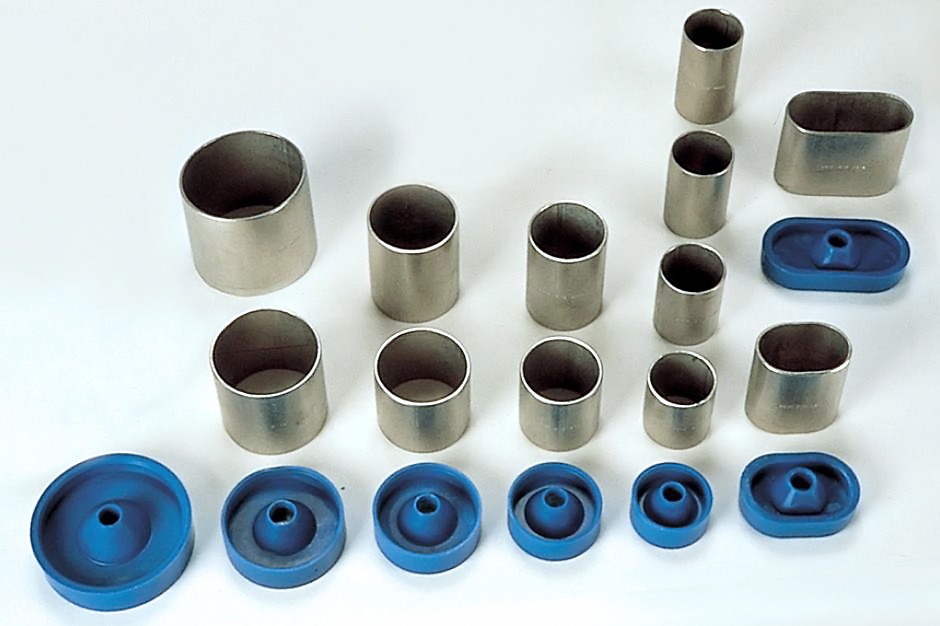
A casting ring is a cylindrical container used to hold the mold material during the metal casting process. The casting ring helps to ensure that the mold remains intact and stable while the metal is poured into it. These rings are essential for maintaining the integrity of the mold, especially when high temperatures are involved during the melting and pouring of the metal.
Key Functions of a Casting Ring:
- Support for Molds: The casting ring provides support for the mold during the casting process. It ensures that the mold remains in the correct position and does not shift during the metal pouring.
- Heat Resistance: Casting rings are made from materials that can withstand the high temperatures involved in the casting process, ensuring that the mold remains stable under intense heat.
- Precision Casting: By ensuring that the mold is securely contained, the casting ring ensures that the molten metal is accurately poured into the mold, allowing for the production of precise dental and medical parts.
- Multiple Sizes: Casting rings come in various sizes to accommodate different mold types and casting processes. The correct size ensures optimal results, especially when working with intricate or detailed dental restorations.
What is a Crucible?
A crucible is a container used to melt metal or other materials at high temperatures. Crucibles are often made from materials such as graphite, ceramics, or metal alloys that can withstand extreme heat. In the casting process, the crucible is used to hold the metal until it reaches the desired temperature, after which it is poured into the mold contained in the casting ring.
Key Functions of a Crucible:
- Melting Metals: Crucibles are designed to hold metal alloys, such as gold, silver, cobalt, or titanium, and maintain the metal at the correct temperature for casting. The crucible’s heat resistance ensures the metal does not lose temperature or quality during the melting process.
- Precise Control: With a properly chosen crucible, dental and medical technicians can control the temperature of the molten metal, ensuring that the metal is in its optimal state for pouring into molds.
- Long-Term Durability: Crucibles are designed to last through numerous uses, as they are made from materials that can withstand high heat and maintain their structural integrity.
- Variety of Sizes: Like casting rings, crucibles come in various sizes to accommodate different metal volumes and types of metal being melted. Choosing the right size ensures efficient and accurate metal melting.
Types of Casting Rings and Crucibles
Both casting rings and crucibles come in different types to cater to various needs in dental, medical, and industrial casting. Here’s a breakdown of the most common types:
Types of Casting Rings:
- Stainless Steel Casting Rings: These are durable and heat-resistant, making them a popular choice for casting metals in dental labs. They provide excellent support and are reusable, offering long-term cost-efficiency.
- Plastic Casting Rings: For less demanding casting applications, plastic casting rings are often used. They are lightweight and easy to handle, making them suitable for small-scale dental or jewelry casting.
- Preformed and Adjustable Casting Rings: Preformed rings are ready to use, while adjustable rings allow the technician to alter the size according to the specific mold being used.
Types of Crucibles:
- Graphite Crucibles: Graphite is one of the most common materials for crucibles due to its excellent heat conductivity and resistance to high temperatures. These crucibles are ideal for melting precious metals like gold and silver.
- Ceramic Crucibles: Ceramic crucibles offer excellent heat resistance and are often used for melting non-precious metals and alloys. They are suitable for casting larger quantities of metal.
- Metallic Crucibles: Made from materials such as stainless steel or tungsten, metallic crucibles are used for melting high-temperature metals like titanium and cobalt-chromium alloys, often required in medical and dental applications.
Choosing the Right Casting Ring and Crucible for Your Practice
Selecting the right casting ring and crucible depends on various factors, including the type of metal you are working with, the size of the mold, and the temperature requirements for the casting process. Here’s how to make an informed choice:
1. Material Compatibility
Ensure that the crucible is made of a material that can withstand the melting point of the metal you intend to cast. For instance, graphite is ideal for gold and silver, while ceramic is better for non-precious metals.
2. Size and Capacity
The size of both the casting ring and crucible should match the volume of the mold and metal you are working with. A casting ring that is too small or too large can affect the accuracy of the casting, while an improperly sized crucible may result in inadequate metal quantities.
3. Heat Resistance
Both tools must be capable of withstanding the high temperatures involved in the casting process. Look for casting rings and crucibles made from heat-resistant materials to ensure durability and safety during use.
4. Ease of Use and Maintenance
Consider ease of handling and maintenance when choosing your casting tools. Reusable casting rings and crucibles that are easy to clean and maintain will save time and cost over the long term.
FAQs About Casting Rings and Crucibles
Q1: What is the purpose of a casting ring in metal casting?
A1: A casting ring holds the mold in place during the metal pouring process, ensuring that the mold remains stable and accurate while molten metal is added to it.
Q2: How do I choose the right crucible for my casting project?
A2: Choose a crucible based on the metal you plan to melt. Graphite crucibles are best for melting precious metals, while ceramic crucibles are suitable for non-precious metals and larger volumes.
Q3: Can I use the same casting ring for all metals?
A3: Yes, most casting rings are designed to handle various metals. However, ensure that the size of the casting ring is appropriate for the volume of the mold and metal.
Q4: How do I maintain my casting ring and crucible?
A4: After each use, clean the casting ring and crucible to remove any residual metal or debris. Proper maintenance ensures their longevity and prevents contamination in future casts.
Q5: What metals can be used with a casting ring and crucible?
A5: Casting rings and crucibles are suitable for use with a wide range of metals, including gold, silver, platinum, titanium, cobalt-chromium, and various dental alloys.
Conclusion
Casting rings and crucibles are indispensable tools in the metal casting process, especially in the creation of dental restorations, prosthetics, and medical implants. Whether you are working with precious metals like gold or silver or more robust materials like titanium, selecting the right tools ensures precision, durability, and safety during casting. At Biosurgico, we offer high-quality casting rings and crucibles to meet the diverse needs of dental labs and medical practices in Pakistan. Explore our collection today to find the perfect casting tools for your professional needs.