
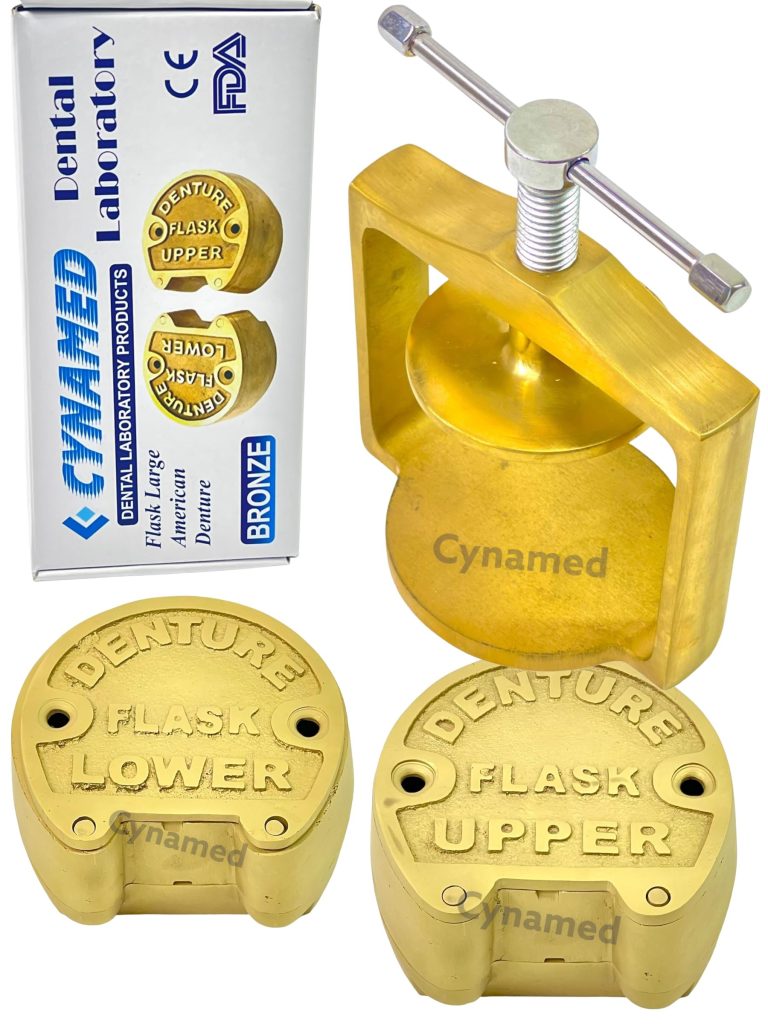
A dental flask press is an essential piece of equipment in dental laboratories, specifically used in the creation and processing of dentures, prosthetics, and other dental molds. This tool applies high pressure to a dental flask, typically containing a mold of the dental impression, to ensure that materials such as dental wax, acrylics, or resins are shaped and cured to perfection. With the ability to exert controlled, even pressure, a dental flask press ensures uniform results, which is essential for producing high-quality dentures and other dental appliances that fit accurately and comfortably in patients’ mouths.
At Biosurgico, we provide high-quality dental flask presses designed for dental professionals in Pakistan. Whether you are a dentist, orthodontist, or dental technician, using a top-grade flask press ensures that your molds are prepared with precision, resulting in prosthetics and appliances that meet the highest standards of quality.
The Role of a Dental Flask Press in Dental Laboratories
A dental flask press is indispensable in the dentures manufacturing process. After the dental impression is made and a mold is created, the materials used to form the denture must be set under pressure to ensure that they fit perfectly. The dental flask press applies consistent, high pressure to this mold, helping it to take shape and harden into a durable, precise appliance.
- Consistency and Quality: The application of pressure helps eliminate any air bubbles and ensures that the material fills all crevices in the mold. This results in an even, durable finish, which is essential for the final denture or prosthetic appliance to function properly.
- Time Efficiency: The dental flask press accelerates the process of mold-setting. The high-pressure application reduces the curing time for materials such as denture acrylics, enabling dental professionals to complete the procedure quickly while maintaining high quality.
- Uniform Pressure Distribution: A good dental flask press evenly distributes pressure across the mold, ensuring consistent results every time. This is particularly important for creating accurate and precise dental appliances, which can significantly impact the quality of dental work.
Features of a High-Quality Dental Flask Press
When selecting a dental flask press, it’s essential to consider several features that will enhance your efficiency and the quality of your work. Here are the key factors that you should look for in a high-quality dental flask press:
- Durable Construction: The dental flask press should be made of high-quality materials such as stainless steel, ensuring longevity and resistance to wear and tear. A durable construction also makes the press easy to clean and maintain, which is essential for hygienic conditions in dental labs.
- Adjustable Pressure Settings: The ability to adjust the pressure settings is crucial to accommodate different types of materials and molds. Some materials may require more or less pressure for optimal results, so having adjustable pressure settings allows for more control over the process.
- Even Pressure Distribution: The press should be designed to distribute pressure uniformly across the mold. This ensures that the material inside the mold is compressed evenly, leading to a smooth, well-shaped product.
- Compact and User-Friendly Design: A compact design saves space in a busy dental laboratory, and an ergonomic structure ensures ease of use. The controls should be intuitive and easy to operate, minimizing any learning curve for new users.
- Safety Features: Given the high pressure involved in the flask pressing process, it is important that the dental flask press includes built-in safety features, such as a pressure release mechanism and protective covers, to prevent accidents and ensure safe operation.
Types of Dental Flask Presses Available in the Market
There are several types of dental flask presses available, and selecting the right one depends on your practice’s specific needs. Here are the main types:
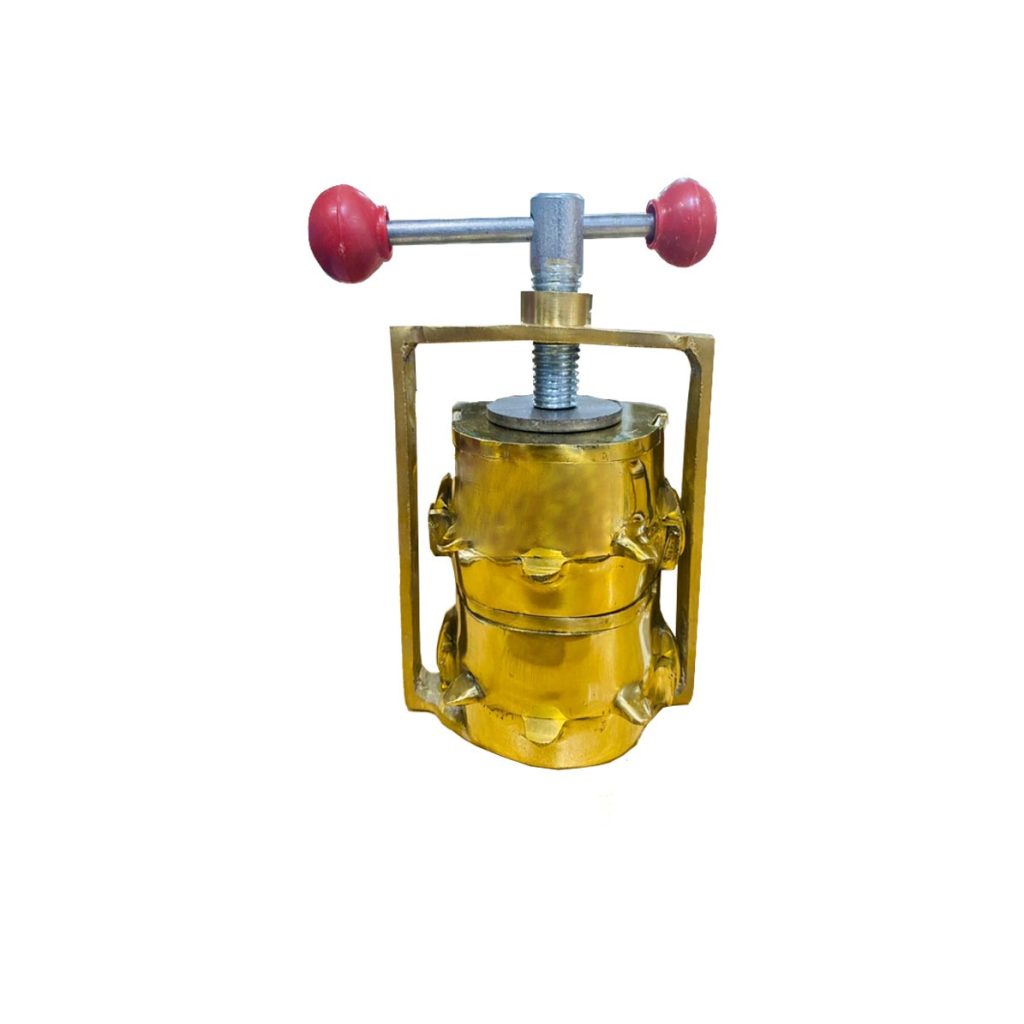
- Manual Dental Flask Press: As the name suggests, manual presses require the user to apply the pressure manually. While they may be more labor-intensive, they are often more affordable and are ideal for smaller dental labs or those just starting out. Manual presses offer great precision but require more effort from the technician.
- Hydraulic Dental Flask Press: Hydraulic presses use hydraulic power to apply pressure, offering a more consistent and even application. These presses are perfect for larger laboratories or those that require a higher volume of production. They can handle larger molds and are more efficient for mass production.
- Electric Dental Flask Press: Electric presses are automated and highly efficient, providing precise and even pressure distribution. These presses are great for high-volume labs and offer convenience and consistency. They often come with digital controls to adjust pressure and curing times, making them a more advanced option for high-tech practices.
- Pneumatic Dental Flask Press: Pneumatic presses use air pressure to apply force and are ideal for those who require quick setups and high efficiency. Pneumatic presses are a good option for dental labs that need to process a large number of molds in a short period.
How to Choose the Right Dental Flask Press for Your Practice
When selecting a dental flask press for your practice, consider the following factors to make an informed choice:
- Laboratory Size and Workflow: If you have a small lab with limited space, a manual flask press or a compact hydraulic press may be more suitable. Larger labs that deal with a high volume of denture production may benefit from an electric or pneumatic press for faster processing.
- Material Compatibility: Ensure the dental flask press is compatible with the materials you work with, whether it’s denture acrylics, silicone, or plaster. Different materials require varying amounts of pressure and curing times, so ensure your press can handle the type of material most commonly used in your practice.
- Budget: While hydraulic and electric flask presses offer higher precision and ease of use, they come with a higher price tag. If you’re just starting out or have a smaller practice, a manual or pneumatic press may be a more affordable option.
- Maintenance and Service: Consider the ease of maintenance and the availability of parts for your chosen dental flask press. Brands that offer strong customer service and easy-to-replace parts will save you time and money in the long run.
- Safety Features: Look for a press with built-in safety features such as pressure relief valves and locking mechanisms to prevent accidents. Safety should always be a top priority when choosing equipment for your dental lab.
FAQs About Dental Flask Presses
Q1: How does a dental flask press work?
A1: A dental flask press works by applying pressure to a dental flask, which contains a mold or impression. The pressure helps to compress the material inside the mold, ensuring it sets correctly and evenly, producing a durable and accurate model.
Q2: Can a dental flask press be used for all types of dental materials?
A2: Yes, most dental flask presses can accommodate a variety of dental materials, including denture acrylics, plaster, silicone, and wax. However, some presses may be better suited for specific materials, so always check compatibility before use.
Q3: What is the difference between manual, hydraulic, and electric dental flask presses?
A3: Manual presses require manual effort to apply pressure, while hydraulic presses use hydraulic power for a more consistent application. Electric presses are fully automated, offering precise pressure control for high-volume use. The choice depends on your laboratory’s needs.
Q4: How often should I maintain my dental flask press?
A4: Regular maintenance is crucial to ensure the longevity and efficiency of your dental flask press. Clean it after each use, lubricate moving parts periodically, and inspect it for any wear and tear. Follow the manufacturer’s maintenance instructions for best results.
Q5: Can a dental flask press be used for both dentures and prosthetics?
A5: Yes, dental flask presses are versatile tools that can be used for both dentures and prosthetics, making them essential for dental labs that work with a wide range of dental appliances.
Conclusion
The dental flask press is an indispensable tool in modern dental laboratories, offering precision, consistency, and efficiency in mold setting and denture creation. Whether you are working with dentures, prosthetics, or orthodontic models, investing in a high-quality dental flask press ensures that your dental appliances meet the highest standards. At Biosurgico, we offer a variety of top-quality dental flask presses to suit the needs of dental professionals across Pakistan. Browse our collection today to find the perfect model for your practice.