
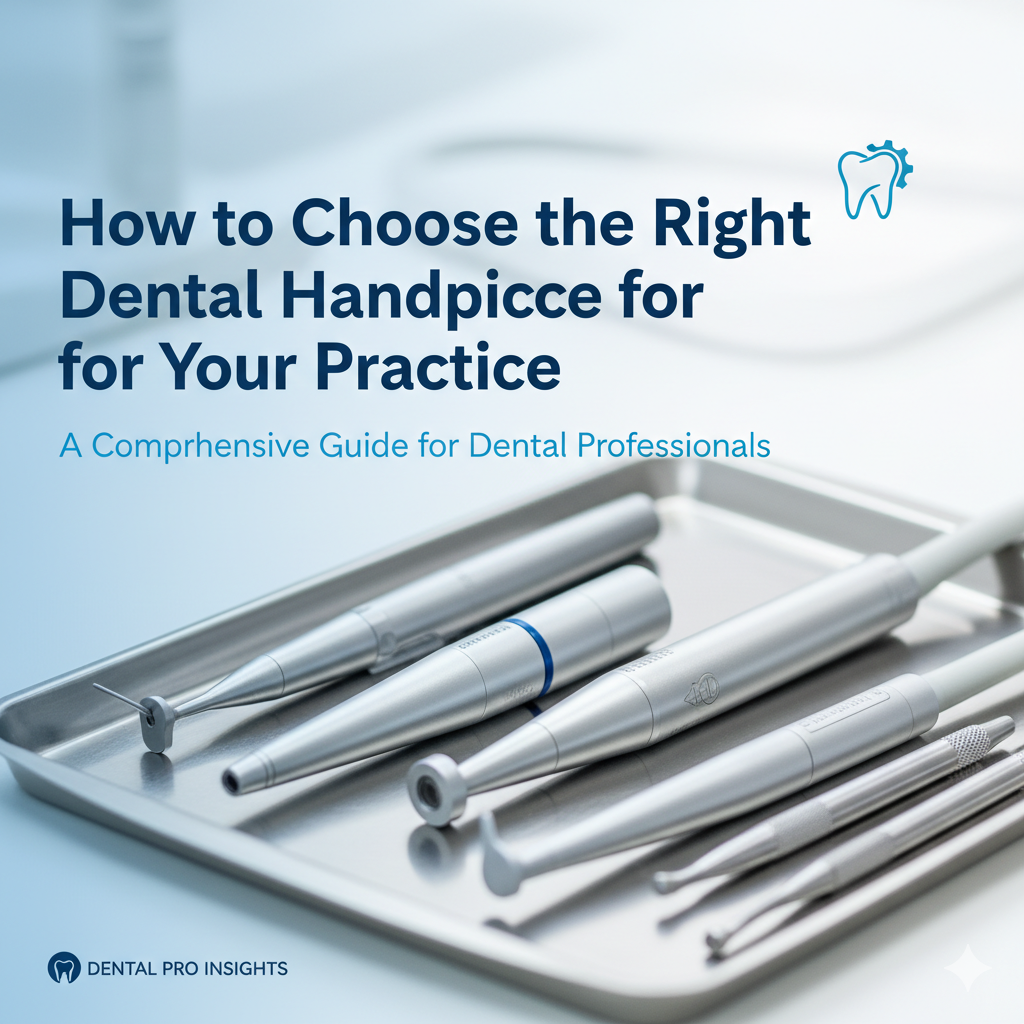
The choice of the ideal handpiece for your dental practice is among the most crucial choices for any dentist. Handpieces are the foundation of efficiency in the clinic — it affects precision, patient comfort as well as the overall efficacy for dental treatment. With the increasing variety of handpieces that are available for use in dentistry making an informed decision is a matter of understanding the technologies, performance parameters and how each one corresponds to your everyday practice requirements. In this thorough guide, we’ll show you how to pick the right handpiece for your dental practice to ensure the highest quality of performance and reliability over time.
Understanding What a Dental Handpiece Is
Dental handpieces, commonly known as a dental drill is a crucial instrument that allows dentists to carry out treatments that range from basic cleaning to intricate restorative procedures. It converts electric or air energy into a force that rotates, allowing precision cutting and polishing or the shaping of teeth. The seemingly insignificant instrument has a significant role to play in modern dentistry, providing the highest level of comfort, accuracy and efficiency throughout procedures. The development of handpieces for dental use has proven amazing and modern models provide improved performance, ergonomic design and less noise responding to the increasing demands for comfort and efficiency in the field of dental treatment.

Types of Dental Handpieces
When choosing the best handpiece, you must be aware of the various types available and the way they function. In general, dental handpieces are classified in the air driven, electric as well as laser categories, each one suited to a specific type and types of work.
Air-Driven Handpieces
Handpieces that are powered by air are the standard handpieces used in dental clinics. They utilize compressed air to spin the turbine, which makes them light, inexpensive and easy to operate. Dental professionals often use their use for general treatments like cavity preparation, scaling, and polishing. Although they might not provide the same amount of torque as handpieces with electric motors but their ease of use and affordability make them an ideal option when it comes to routine procedure. The quick cooling feature assists in preventing the build-up of heat as well as ensuring safety of patients and ease of use.
Electric Handpieces
Electric handpieces, on contrary, are made to be precise and powerful. Instead of air pressure they utilize an electric motor that provides constant torque and faster speeds even with heavy loads. These characteristics make them perfect for prosthodontic or restorative treatment such as crown preparation and implant surgery. Electric handpieces also generate less noise and vibration, which increases comfort for patients as well as patient comfort and control. Although they need a greater starting cost, they’re endurance and accuracy make them a valuable benefit for high-performance dental practices.
Laser Handpieces
Laser handpieces for dental use are the most technologically advanced techniques in the field of modern dentistry. They use focused light energy to provide treatments for hard and soft tissue without causing any discomfort. Lasers are especially effective in procedures that require gum reshaping sterilization of cavities, as well as minor surgical procedures. They can reduce bleeding, eliminate the requirement for anesthesia and speed up healing. While laser systems are expensive and require training that is specialized Their precision and a patient-friendly design make them an increasingly popular option for advanced dental clinics.
Key Factors to Consider When Choosing a Dental Handpiece
Power and Speed
The most important part of a dental instrument can be its power output and speed. Handpieces that are powered by air typically run at speeds of up to 4000-400 RPM but may be unable to maintain torque when pressure is applied. Handpieces powered by electricity maintain a constant torque and are able to reach speeds of around 200 000 RPM, providing better control. When deciding, take into consideration the procedures you are most likely to perform The general dental procedure could benefit from air-driven tools as well as surgical and restorative procedures require laser or electric-powered instruments.
Ergonomics and Handling Comfort
Dentistry is physically demanding occupation. A piece of equipment that is at ease and balanced in your hand will significantly decrease fatigue over long periods of time. Choose ergonomic designs that have soft contours, lightweight body parts, and grips that are anti-slip. A lot of modern handpieces are designed to reduce wrist strain and offer greater control when working with precision. The importance of comfort isn’t only about convenience but is also directly affecting the accuracy of your movements as well as the quality of your patient’s outcomes.
Durability and Build Quality
Because dental handpieces are utilized often, their the durability of these instruments is vital. The stainless steel and titanium are popular materials that are known for their strength and resistance to corrosion. The highest-quality turbines and bearings, as well as the most precise engineering assure smooth operation over the course of the course of. Making the investment in a reliable model may be costly at first however it will save you cash in the end with fewer maintenance and repairs. Handpieces made by trusted manufacturers typically include comprehensive warranties and service support, which gives peace of assurance.
Noise and Vibration Levels
Noise reduction is another aspect which should not be ignored. Handpieces that emit high-pitched sound could cause anxiety for patients as well as stress for dentists. Modern air-driven and electric handpieces are built with sophisticated noise-dissipation devices and balanced bearings, dramatically decreasing the sound and vibration. This does not only improve patient comfort, but also increases concentration and decreases stress for the person who is performing.
Compatibility and Maintenance
Before you purchase, be sure the handpiece will work with the dental unit you already have and couplings. Certain models come with universal fittings while some are specific to a particular brand. Also, think about maintenance needs. Simple-to-clean designs and autoclavable materials and lubrication ports ease routine maintenance and prolong the lifespan. Handpieces that are simple to maintain, ultimately help save time, decrease operational costs and help maintain hygiene standards within your clinic.
Practical Tips for Making the Right Choice
The right handpiece for your dental needs is a matter of balancing technological capabilities, functionality as well as cost. Start by looking at your most frequently used proceduresfor example general practitioners could require flexible air-driven handpieces, whereas professionals who specialize in high-precision procedures might prefer laser or electric models. Make sure to test the handpiece’s grip as well as its weight and noise levels prior to purchasing. Find out about the brand’s reputation and customer service, since after-sales support is essential for any professional equipment. Also, don’t forget warranties. They often indicate the confidence of the manufacturer in its product quality.
Maintenance: Extending the Life of Your Dental Handpiece
Even the most sophisticated handpiece is not going to perform as well if it’s not properly treatment. After each procedure, it is essential to clean and sterilize your instrument in accordance with the directions of the manufacturer. Regularly lubricating keeps internal components in good working order decreasing wear and preventing premature breakdown. Make sure you check the bearings, the turbine and the chuck mechanism for signs of wear. Plan professional maintenance every few months to ensure the highest level of performance and to make sure that you are in compliance with the hygiene guidelines. Keep in mind that consistent maintenance not only prolongs the lifespan of your instrument but also ensures the safety of patients and consistent clinical outcomes.

Conclusion
The dental handpiece is more just a piece of equipment the handpiece is a reflection of your expertise and skill. The right choice can enhance the quality of service you provide and improve your everyday comfort while practicing. When you consider factors such as power, ergonomics and longevity, and compatibility you’ll find a product that will meet your requirements as a professional and provides value for the long haul. If you’re looking to upgrade your existing equipment or establishing an entirely new dental practice making an educated decision now will pay dividends in the many years to come.
We at Ebiosurgico We at Ebiosurgico are aware of the importance of high-quality in every dental instrument. As a top online retailer of dental and medical equipment We provide an extensive selection of high-quality dental handpieces, equipment, and maintenance tools that are designed to perform and last. Explore our selection now and take your practices to the next step by using reliable brands and expert assistance from Ebiosurgico.