
Scabies is a highly contagious skin condition caused by a microscopic mite called Sarcoptes scabiei. Despite being small and invisible to the naked eye, these mites can cause severe skin irritation, intense itching, and a red, bumpy rash. Globally, scabies affects over 200 million people at any given time, making it a widespread public health concern. Alarmingly, the number of scabies cases in Pakistan continues to rise, especially in densely populated urban areas, rural communities, and places with limited access to healthcare and hygiene resources.
In addition, scabies outbreaks are common in settings such as schools, hostels, nursing homes, refugee camps, and hospitals—where close physical contact and shared living conditions create an ideal environment for the mites to spread rapidly.
What makes scabies particularly troubling is how easily it spreads through skin-to-skin contact or by sharing personal items like bedding, towels, and clothing. Therefore, early identification, timely treatment, and strict hygiene practices are essential for controlling its spread.
In this comprehensive article, we’ll explore everything you need to know about scabies—from its root causes and symptoms to the most effective treatment options and prevention strategies. Whether you’re a concerned parent, a healthcare worker, or someone experiencing symptoms, this guide will help you recognize and respond to scabies confidently.
Let’s dive in and learn how to identify, treat, and prevent scabies—for healthier skin and a safer environment.
What Is Scabies?
Scabies is a highly contagious skin infestation caused by a microscopic parasite known as Sarcoptes scabiei, commonly referred to as the itch mite. Though invisible to the naked eye, these mites are powerful enough to trigger severe skin irritation and intense discomfort.
To explain further, once a female mite comes into contact with human skin, she burrows into the outermost layer of the epidermis—not deeper into the body—using enzymes to break through the skin barrier. Inside these shallow tunnels, she lays eggs, usually depositing up to 10–25 eggs during her 4- to 6-week lifespan. These eggs hatch into larvae within 3–4 days, continuing the infestation cycle unless properly treated.
As a result of this mite activity, the body’s immune system mounts a defensive reaction. This leads to intense itching, inflammation, redness, and the formation of a rash. The itching is often worse at night and can become unbearable, especially in children and individuals with sensitive skin.
The rash commonly appears in warm, moist areas such as:
- Between the fingers
- Around the waistline
- Under the breasts
- On the inner thighs
- Around the genital area
- In the folds of the elbows and knees
Over time, scratching the affected areas can break the skin, leading to open sores, secondary bacterial infections (like impetigo), and even crusted scabies—a more severe form of the condition usually seen in immunocompromised individuals.
In essence, scabies infestation is not just a superficial irritation. It involves an active parasitic invasion that disrupts skin health and quality of life. Fortunately, with timely medical treatment and proper hygiene measures, scabies can be effectively managed and eliminated.
How Scabies Spreads
To begin with, scabies transmission occurs mainly through prolonged and direct skin-to-skin contact with an infected individual. This is because the microscopic mites responsible for scabies infestation cannot jump or fly—they crawl from one person’s skin to another’s during close interaction. As a result, individuals who live in the same household or share sleeping spaces are at the highest risk.
Additionally, scabies can spread indirectly through shared personal items such as towels, bed sheets, clothes, or upholstered furniture. Although less common than direct contact, mites can survive off the human body for up to 48–72 hours, especially in warm, humid environments. Therefore, using unwashed or contaminated fabric can be enough to contract the infection.
Moreover, outbreaks are more likely to occur in crowded living conditions where close contact is unavoidable. Places like hostels, dormitories, nursing homes, hospitals, shelters, and prisons are frequent hotspots for rapid transmission. In such settings, even one undiagnosed case can lead to a widespread scabies outbreak if not addressed promptly.
Children, elderly individuals, and immunocompromised people are particularly vulnerable in these environments due to closer contact and weaker immune responses.
In essence, understanding how scabies spreads is essential for early detection and effective prevention. Whether through direct skin contact or contaminated items, the risk increases significantly in communal living spaces—making awareness and hygiene critical.
Common Symptoms of Scabies
Recognizing scabies symptoms early can help prevent further transmission. These symptoms usually appear 2 to 6 weeks after infestation.
Key symptoms include:
- Intense itching, especially at night
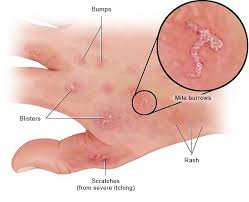
- Red bumps or blisters
- Thin, irregular burrow tracks on the skin
- Sores caused by scratching
Additionally, scabies rash often appears in specific areas such as between the fingers, underarms, waist, wrists, and buttocks.
Who Is at Risk?
Everyone is at risk of contracting scabies, but the following groups are especially vulnerable:
- Children and the elderly
- People with weakened immune systems
- Those living in crowded or unsanitary conditions
Because scabies is so contagious, just one infected person can cause a large outbreak if not treated promptly.
Effective Treatment for Scabies
Fortunately, scabies is treatable. The most common treatments include prescription topical creams and oral medications.
Common treatments:
- Permethrin cream (applied over the whole body)
- Ivermectin (oral medication in severe cases)
It’s important to treat everyone in the household simultaneously—even if they don’t show symptoms—to stop the cycle of infection. Furthermore, wash all clothing, bedding, and towels in hot water and dry them on high heat.
Preventing Scabies: What You Can Do
Prevention plays a crucial role in controlling scabies transmission, especially in homes, schools, and healthcare settings where close contact is common. Fortunately, with the right measures, you can significantly reduce the risk of spreading this irritating condition.
👉 Avoid direct physical contact with individuals who are known or suspected to have a scabies infection. Since the mites that cause scabies spread through skin-to-skin contact, even brief exposure can be enough for transmission.
👉 Do not share personal items such as clothing, towels, bed linens, or grooming tools. These items can carry the mites responsible for the infestation, increasing the risk of infection among family members or roommates.
👉 Maintain excellent personal hygiene at all times. While scabies is not directly caused by poor hygiene, staying clean can help minimize the chances of complications and make it easier to detect early symptoms of a mite infestation.
👉 Thoroughly wash and disinfect all potentially contaminated fabrics and surfaces. Use hot water and high heat to clean clothes, bedding, and towels. In addition, vacuum furniture, mattresses, and carpets to eliminate any remaining mites.
👉 Isolate infected individuals during the treatment period to prevent others from being exposed. It’s also wise for all close contacts—even if they don’t show symptoms—to undergo preventive treatment to avoid reinfection.
In summary, by following these scabies prevention tips, you not only protect yourself but also help stop the cycle of transmission within your community. Awareness and early action are the keys to keeping this parasitic skin condition under control.
Final Thoughts
To sum up, while scabies infection is a widespread and uncomfortable skin condition, it is highly manageable with early detection and the right medical intervention. Timely treatment not only relieves symptoms such as intense itching and skin rashes but also prevents the condition from spreading to others in your household or community.
If you or a loved one begins to notice signs of a skin mite infestation, such as persistent itching or red burrow-like rashes, it is crucial to consult a healthcare provider without delay. Swift diagnosis and proper use of anti-scabies medication—whether in the form of creams or oral drugs—can significantly reduce discomfort and speed up recovery.
Moreover, adopting preventive habits, such as avoiding skin-to-skin contact with infected individuals and washing personal items in hot water, plays a vital role in stopping the recurrence or transmission of the condition.
In essence, staying informed about scabies disease, recognizing its symptoms early, and following effective treatment protocols can help you maintain healthy, irritation-free skin. Don’t ignore the warning signs—act early and protect both yourself and your family from this easily preventable skin problem. If you want to know about tuberculosis you are just one click away.