
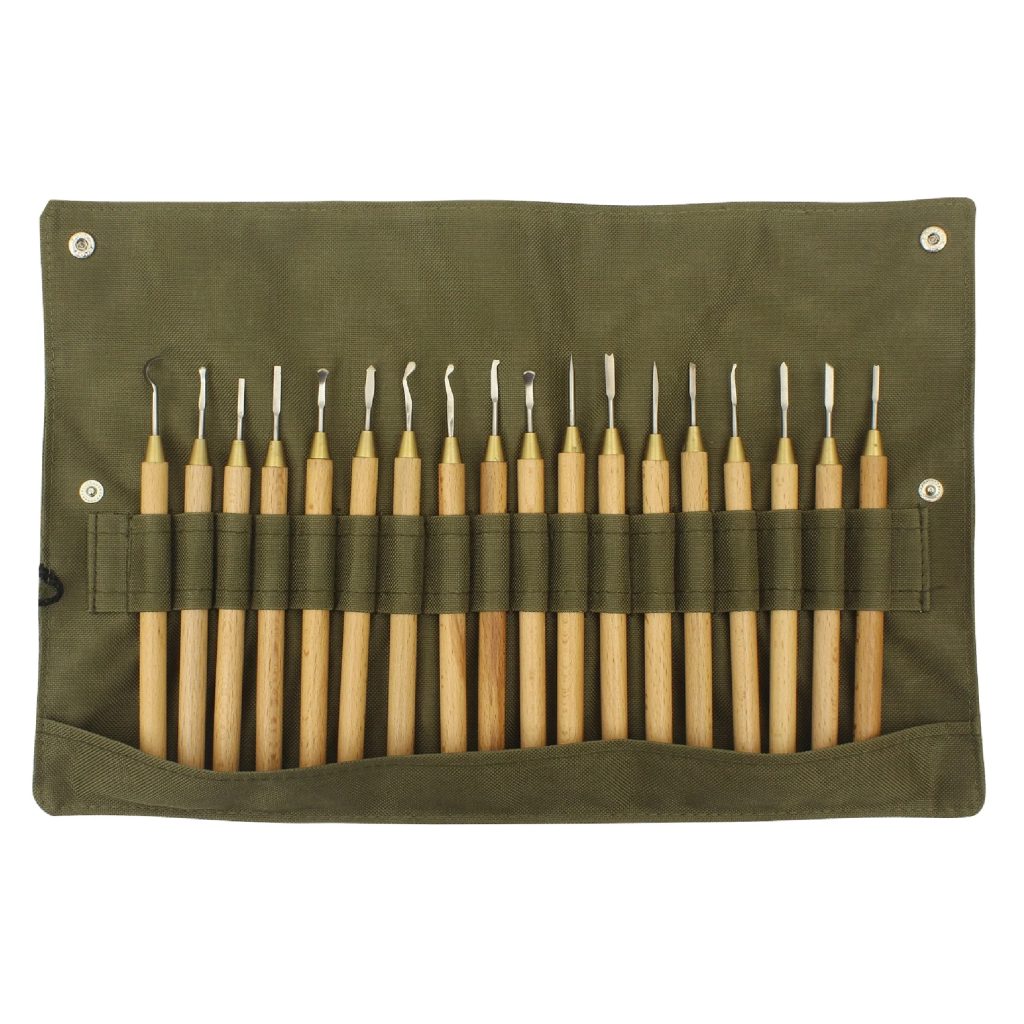
Wax carvers are essential tools used in dental laboratories for carving and shaping wax patterns that are later used in the fabrication of dental prosthetics, including crowns, bridges, dentures, and implants. These tools allow dental technicians to precisely form detailed wax models that will serve as the blueprint for creating durable dental restorations. Given their critical role in the manufacturing process, high-quality wax carvers are indispensable in ensuring accurate and aesthetically pleasing results in dental prosthetics.
At Biosurgico, we provide a wide selection of wax carvers designed for use in dental practices and laboratories across Pakistan. Our wax carvers are made with precision and durability in mind, ensuring that they help professionals achieve the best results with each carving. In this article, we will explore the features, benefits, applications, and selection criteria for wax carvers and how they play a vital role in the dental restoration process.
The Role of Wax Carvers in Dental Restorations
The main purpose of a wax carver is to create detailed, accurate wax patterns that serve as a foundation for creating dental crowns, bridges, dentures, and other dental prosthetics. These tools allow the dental technician to shape and refine the wax to match the desired dimensions and aesthetics of the final product.
1. Precision in Shaping Wax for Prosthetics
Wax carvers are designed to carve and shape wax with high precision. The technician uses these tools to create a detailed replica of the tooth or dental appliance that will be used for crowns, bridges, and implants. Wax carvers come in various shapes and sizes, allowing for fine control in creating the intricate details required for dental restorations.
2. Creating Patterns for Casting
In the lost wax casting technique, wax carvers are used to create the initial pattern for the dental appliance. The pattern is then coated with a ceramic shell, and the wax is melted away, leaving behind a hollow mold into which metal alloys or resins are poured to form the final restoration.
3. Refining and Finishing Wax Patterns
Once the basic wax pattern has been formed, wax carvers are used to refine the shape, add details, and ensure that the final product will fit correctly in the patient’s mouth. Technicians use the carvers to smooth edges, define contours, and make adjustments to ensure that the final restoration is both functional and aesthetically pleasing.
4. Enhancing the Aesthetics of Dental Prosthetics
A large part of a dental technician’s work involves achieving natural aesthetics in dental restorations. Wax carvers play an important role in this by enabling technicians to create contours and details that mimic the natural tooth structure. The ability to carve precise details ensures that the final restoration blends seamlessly with the patient’s natural teeth.
Types of Wax Carvers and Their Uses
Wax carvers come in a variety of shapes and sizes, each designed for specific functions in the wax modeling and carving process. Below are some common types of wax carvers:
1. Spade Shaped Wax Carvers
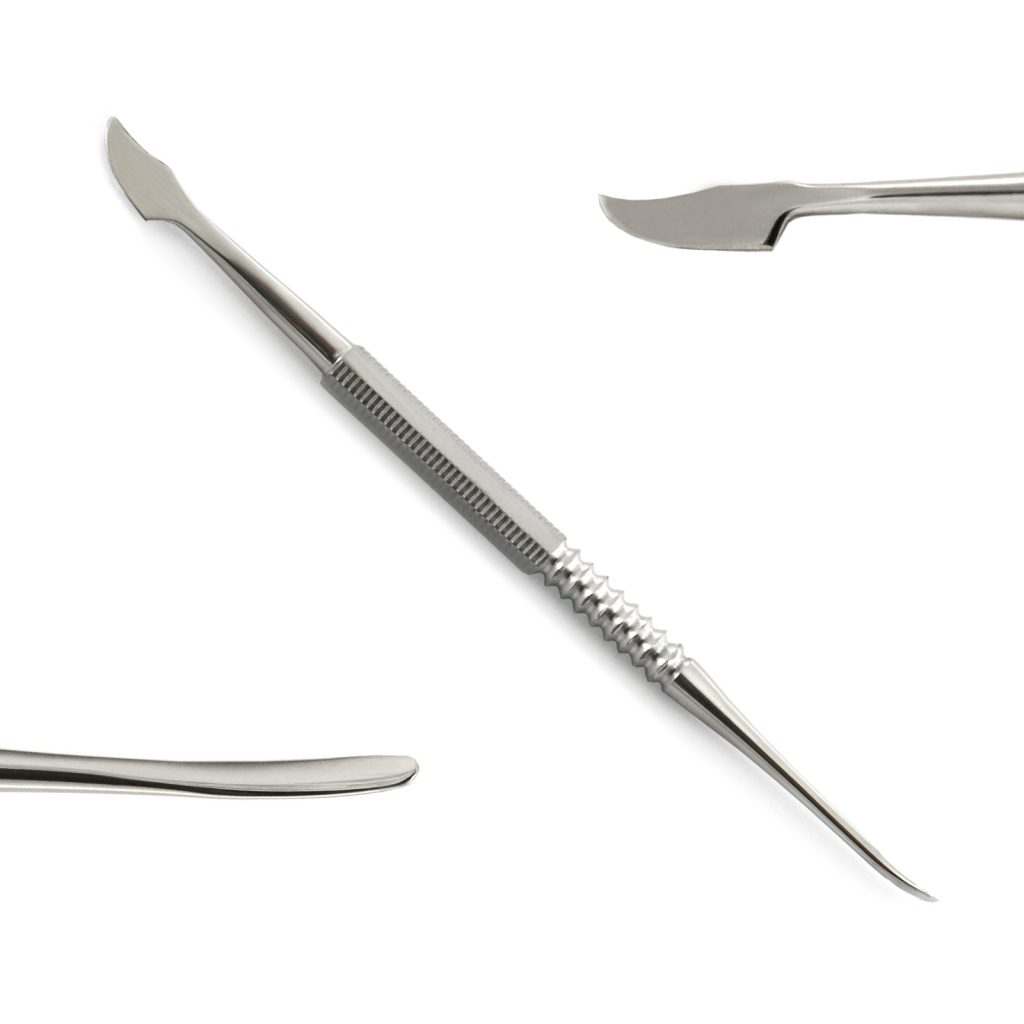
Spade-shaped carvers are designed with a broad, flat tip, making them ideal for shaping large areas of wax. These carvers are used to quickly and efficiently remove excess material and create the general shape of the tooth or dental restoration.
2. Knife Shaped Wax Carvers
Knife-shaped carvers have a pointed, narrow tip that allows for more detailed and precise carving. They are ideal for creating fine lines, contours, and intricate details in the wax pattern. Technicians often use these carvers for delicate work around the edges of the dental restoration.
3. Loop Shaped Wax Carvers
Loop-shaped wax carvers feature a small, circular loop at the tip, which is particularly useful for carving out small, detailed areas, such as the grooves and pits of teeth. These tools allow for controlled carving and are excellent for refining the surface of the wax pattern.
4. Ball End Wax Carvers
Ball end carvers have a rounded tip that is perfect for smoothing out rough areas and adding small, rounded features to the wax pattern. They are particularly useful for shaping areas that require a gentle curve or surface smoothness, such as the contours of the tooth.
5. Double Ended Wax Carvers
These versatile tools have two different shapes at each end, allowing dental technicians to switch between carvers without having to pick up a different tool. Double-ended carvers provide efficiency when working on detailed wax patterns, reducing the time spent changing tools.
Features to Look for When Choosing a Wax Carver
When selecting a wax carver for your dental practice or laboratory, it’s important to consider several factors to ensure you choose the right tool for your needs. Here are some key features to look for:
1. Material Quality
The material used in the construction of the wax carver should be durable, resistant to wear and tear, and capable of maintaining its sharpness over time. High-quality stainless steel is the most common material used for wax carvers, as it resists corrosion and maintains precision.
2. Ergonomic Design
Since wax carving can be a detailed and time-consuming process, an ergonomic design is crucial for reducing hand strain. Look for carvers that have comfortable handles that are easy to grip, allowing for better control during carving.
3. Sharpness and Precision
The precision of the carver is key to achieving accurate and detailed results. Choose wax carvers that retain their sharpness for longer periods, reducing the need for frequent sharpening.
4. Variety of Tips
A good wax carver set will offer a variety of tips, each designed for different types of carving and shaping. Having a selection of tips allows dental technicians to switch between tools for various tasks, improving efficiency and accuracy.
5. Easy to Clean
Wax carvers should be easy to clean and maintain to ensure hygiene in the dental laboratory. Choose tools that can be quickly wiped down after use to remove wax residue and ensure that the carvers remain in good condition.
FAQs About Wax Carvers
Q1: What is the main function of a wax carver in dentistry?
A1: Wax carvers are used in dental labs to carve, shape, and refine wax patterns for dentures, crowns, bridges, and other dental prosthetics. These tools allow technicians to create precise and detailed patterns that serve as the foundation for the final restoration.
Q2: Can wax carvers be used for all types of dental materials?
A2: Yes, wax carvers are primarily used for wax but can also be effective for carving and shaping other materials like acrylics. However, their primary function is carving soft wax, which is later used in the casting process for creating dental restorations.
Q3: How do I maintain my wax carver?
A3: To maintain a wax carver, ensure that it is cleaned after each use to remove any wax residue. Store it in a safe place to prevent the tip from becoming damaged. Occasionally, sharpen the tool if necessary to maintain its precision.
Q4: What types of wax carvers are available?
A4: Wax carvers come in several types, including spade-shaped, knife-shaped, loop-shaped, and ball-end carvers. Each type is designed for specific tasks, such as shaping large areas, creating detailed grooves, or smoothing surfaces.
Q5: How do I choose the right wax carver for my practice?
A5: When selecting a wax carver, consider the types of prosthetics you work with, the level of detail required, and your preferred carving technique. A variety of tips and an ergonomic design will improve efficiency and comfort.
Conclusion
Wax carvers are essential tools in the dental restoration process, enabling dental technicians to create precise, detailed wax patterns for crowns, dentures, bridges, and implants. Whether you are a dental technician, orthodontist, or dentist, using high-quality wax carvers ensures that your dental prosthetics will fit perfectly, function optimally, and look natural. At Biosurgico, we offer a wide range of wax carvers designed to meet the needs of dental professionals in Pakistan. Browse our selection today to find the perfect wax carver for your practice and improve the quality of your dental restorations.